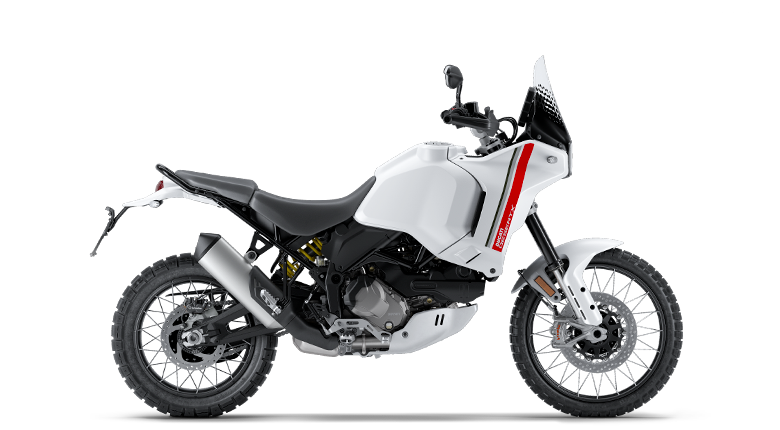
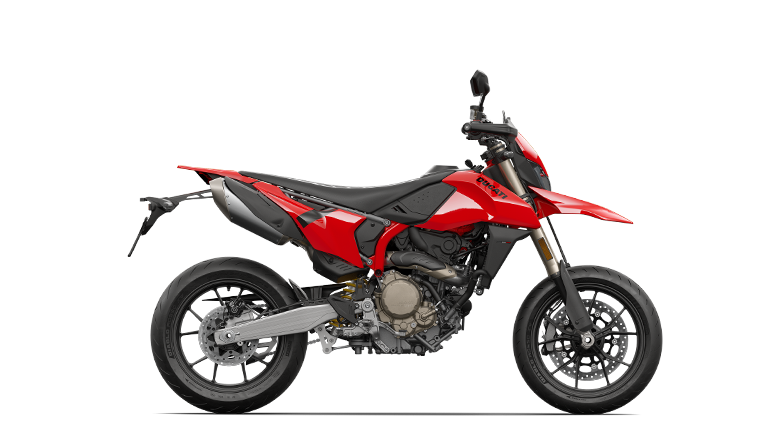
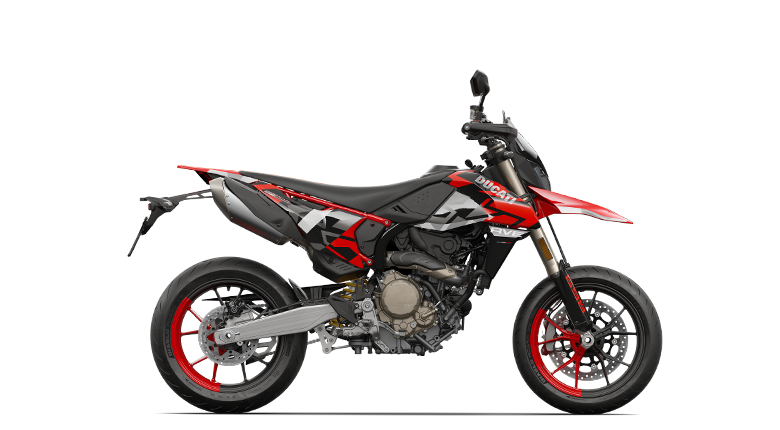
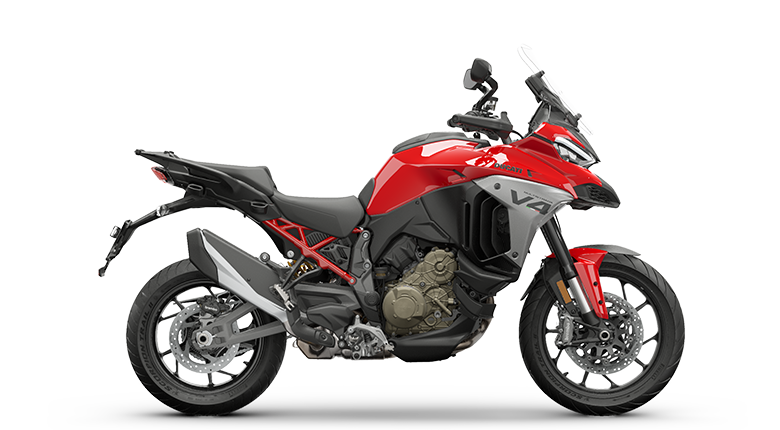
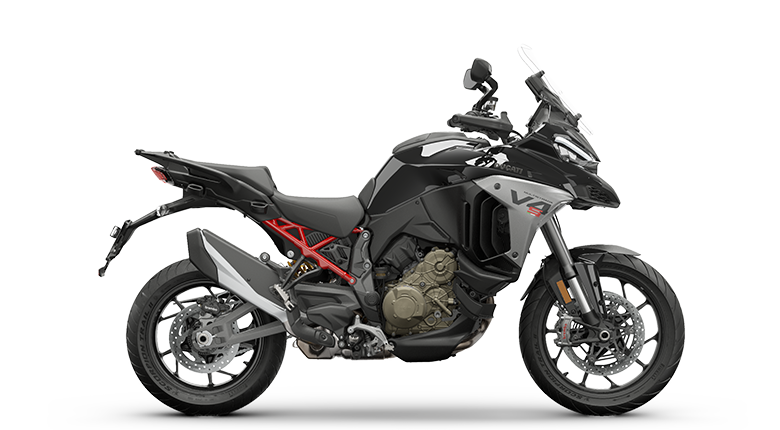
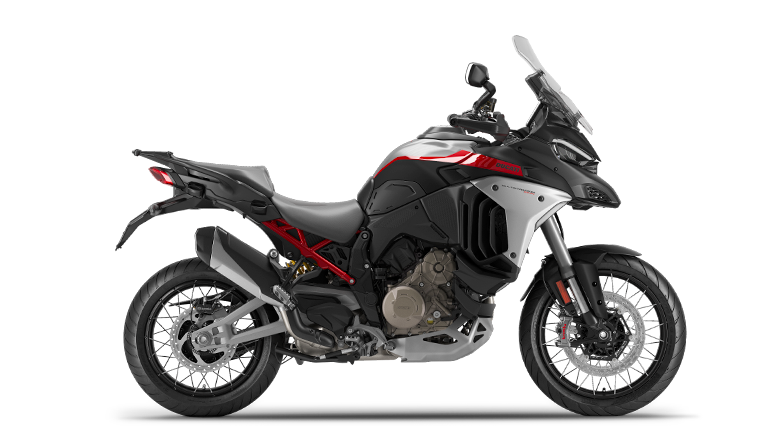
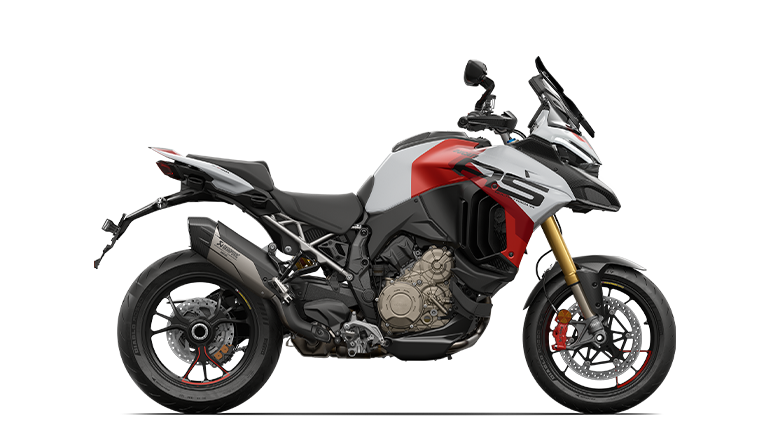
 DesertX
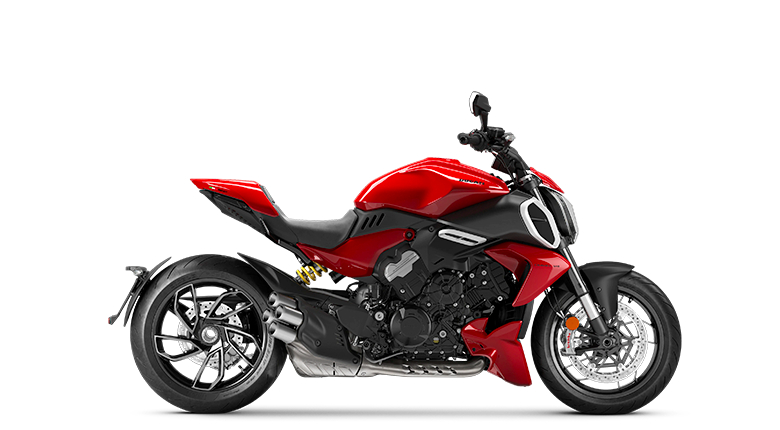
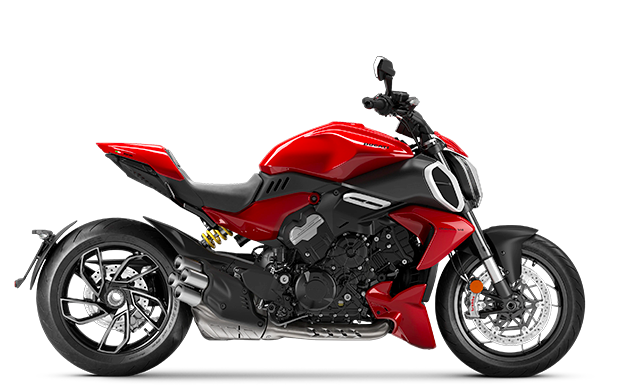
 Diavel
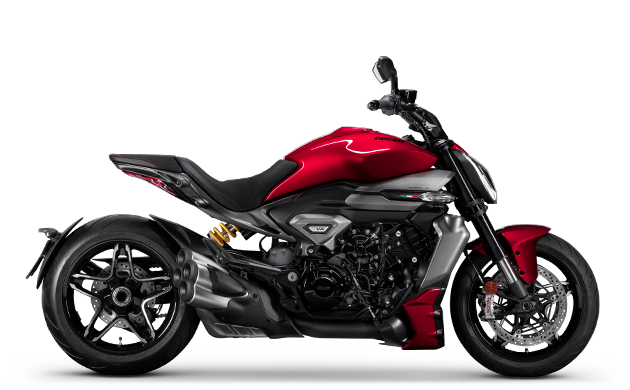
 XDiavel
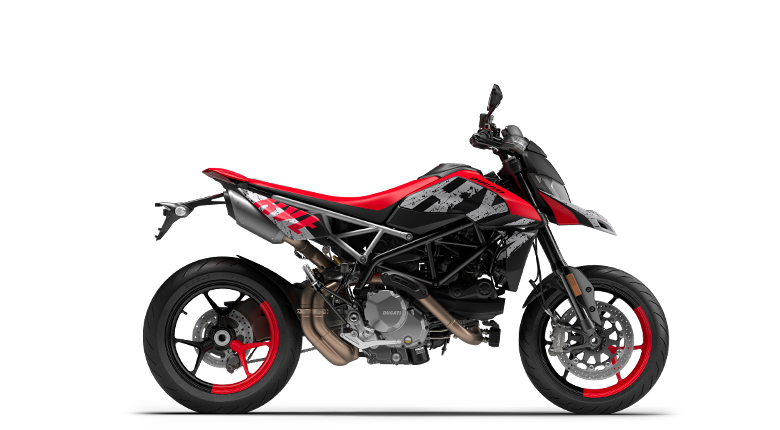
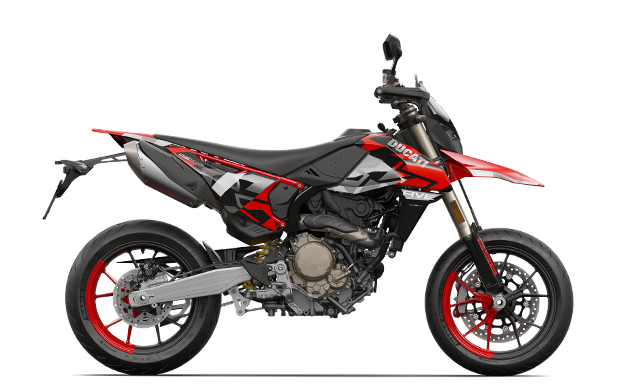
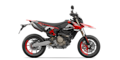 Hypermotard
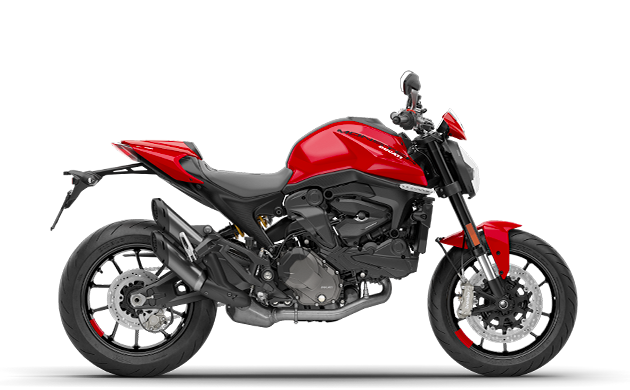
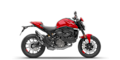 Monster
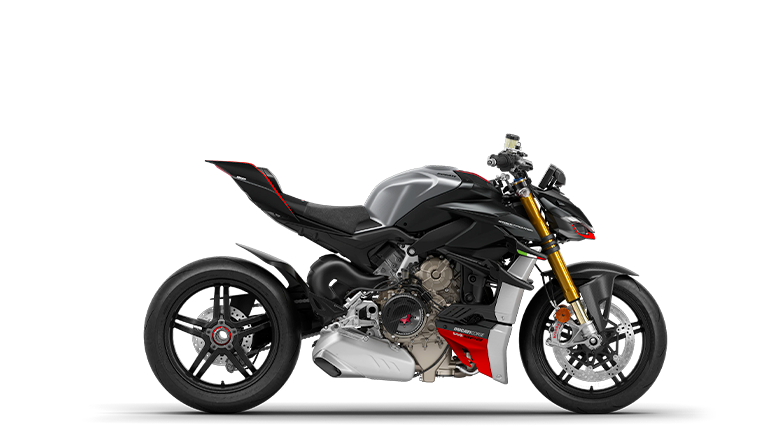
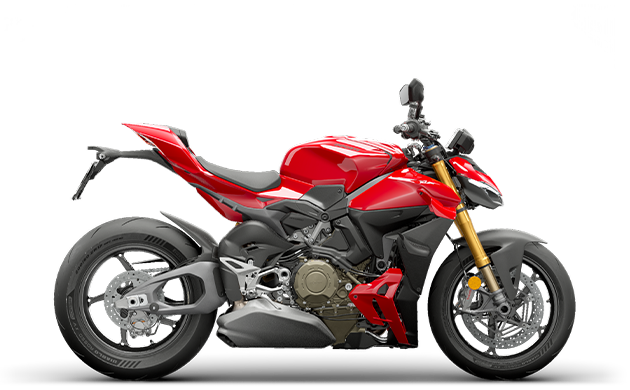
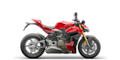 Streetfighter
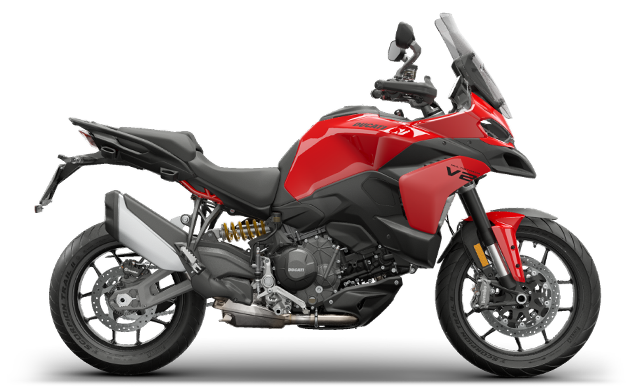
 Multistrada
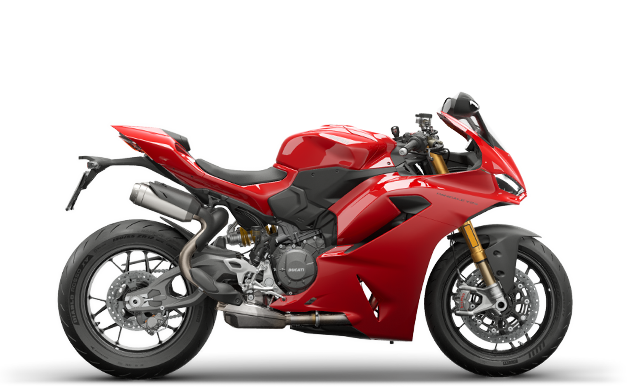
 Panigale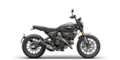
 35 kW Bikes
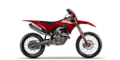 Off-Road
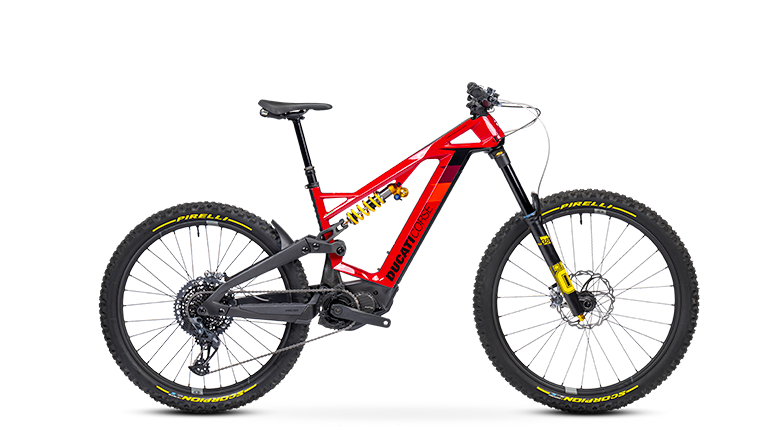
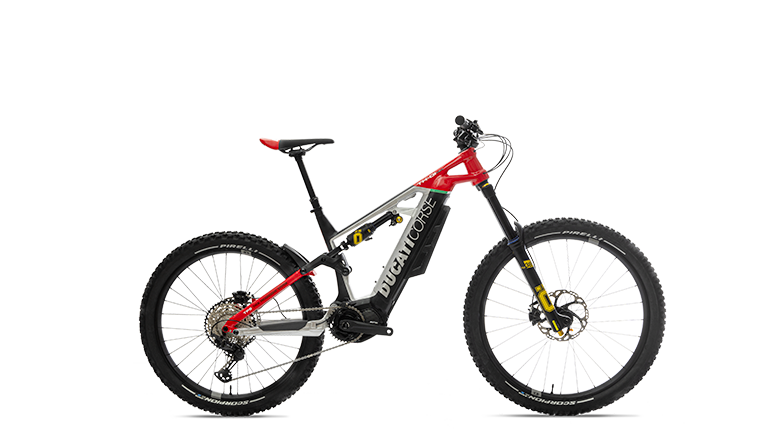
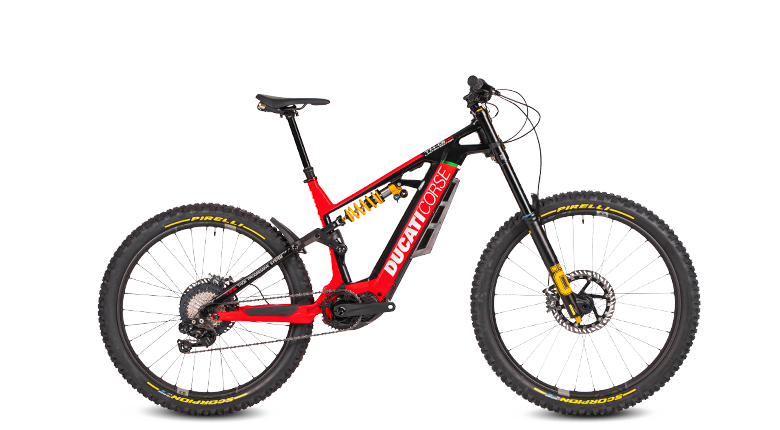
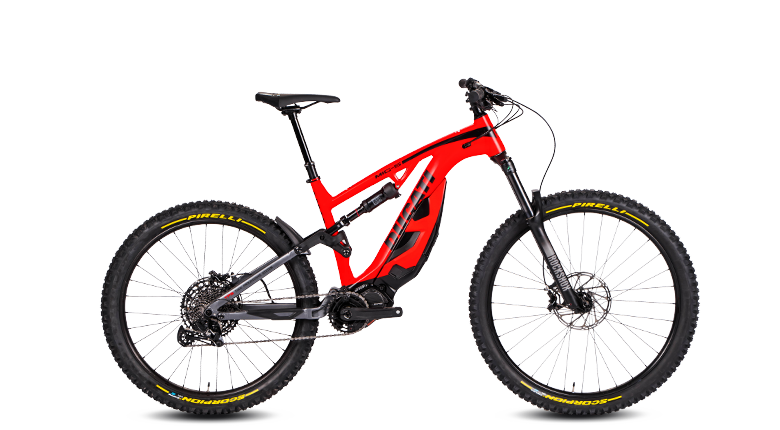
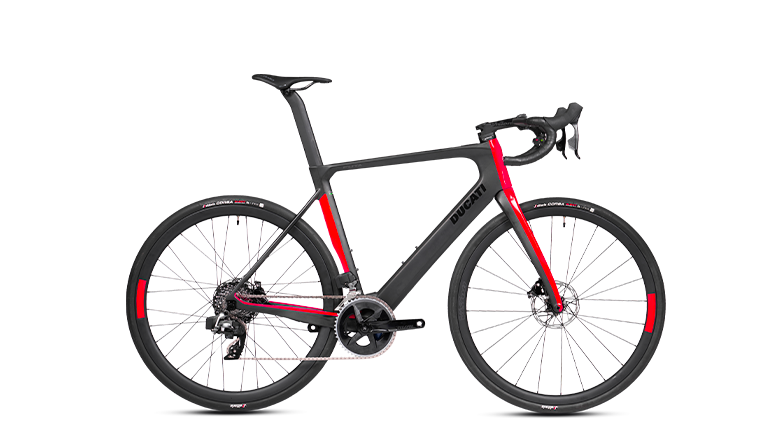
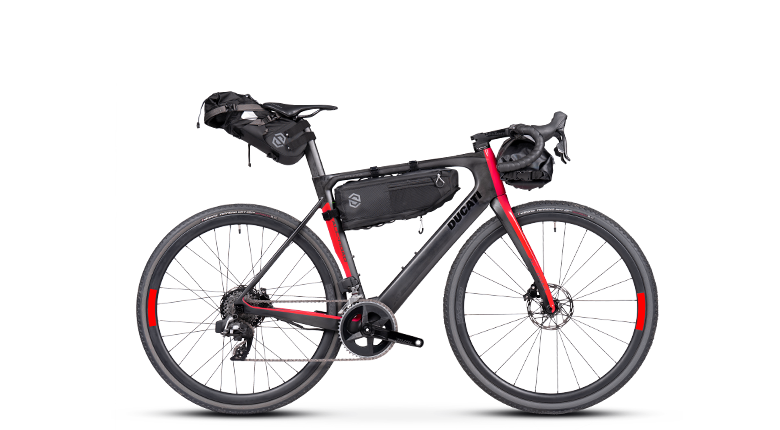
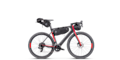 E-BIKE
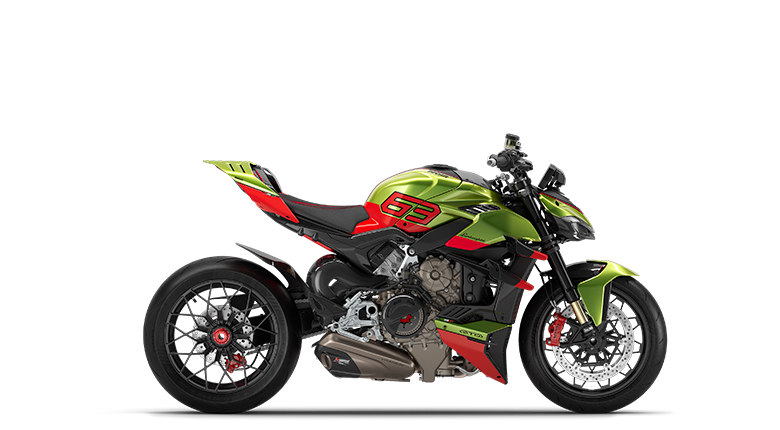
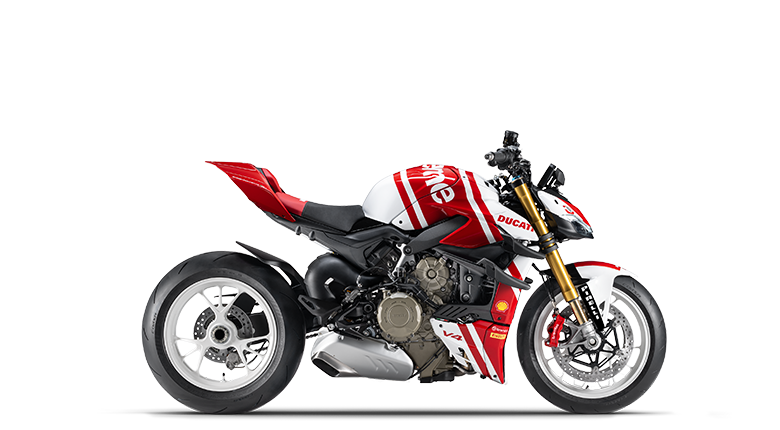
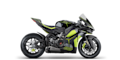 Limited Series

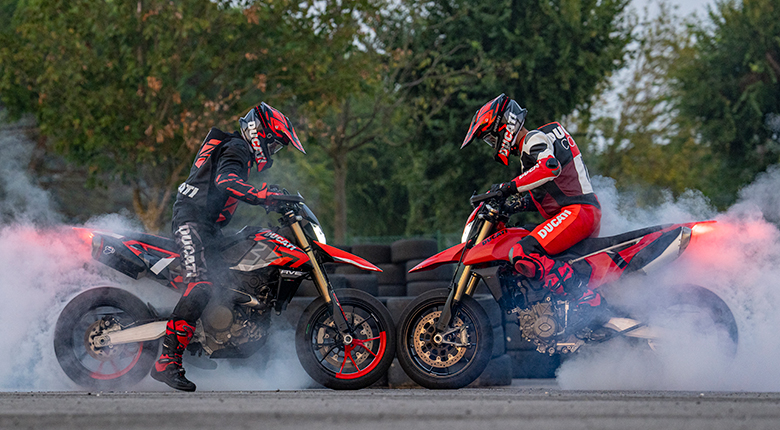
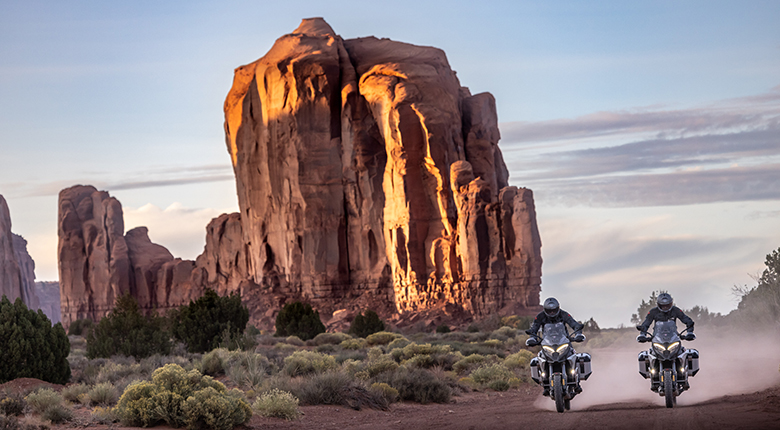
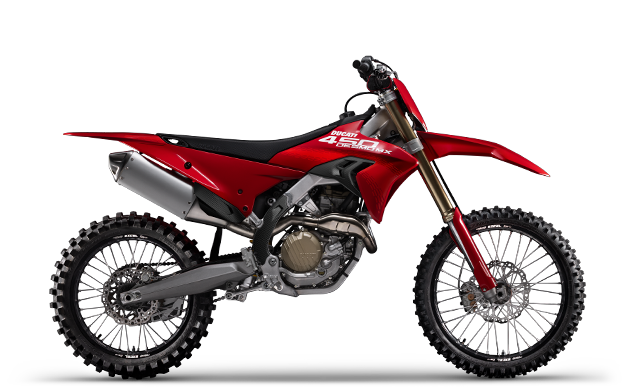
DesertX Family: Exploration and fun beyond all limits.
Take your wildest dreams and make them come true. The DesertX Family will accompany you everywhere. All the way.






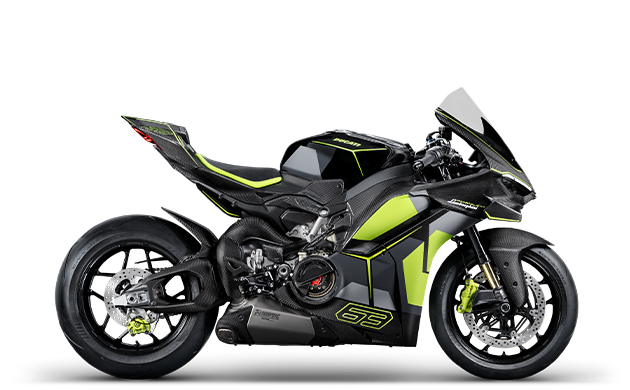

Discover about events and rallies organized by Ducati and the Ducati Official Clubs.
Discover more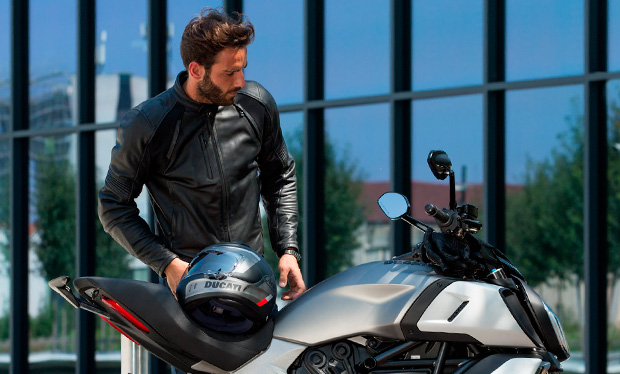
The online shop has a whole new look. Our style is the same as always. Buy now!
Click and discover!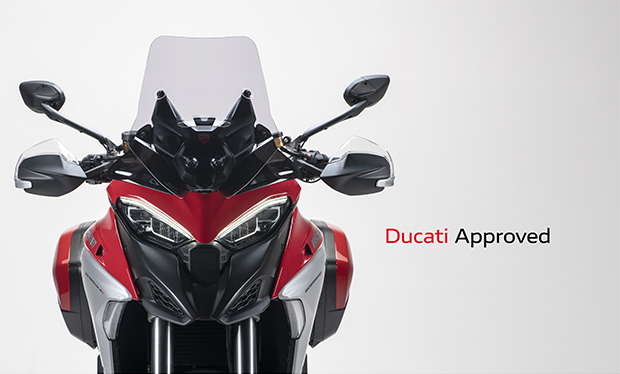
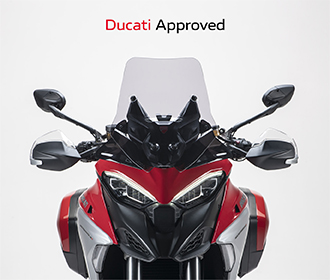
When you choose a Ducati Approved bike, you can be sure that Ducati is always by your side.
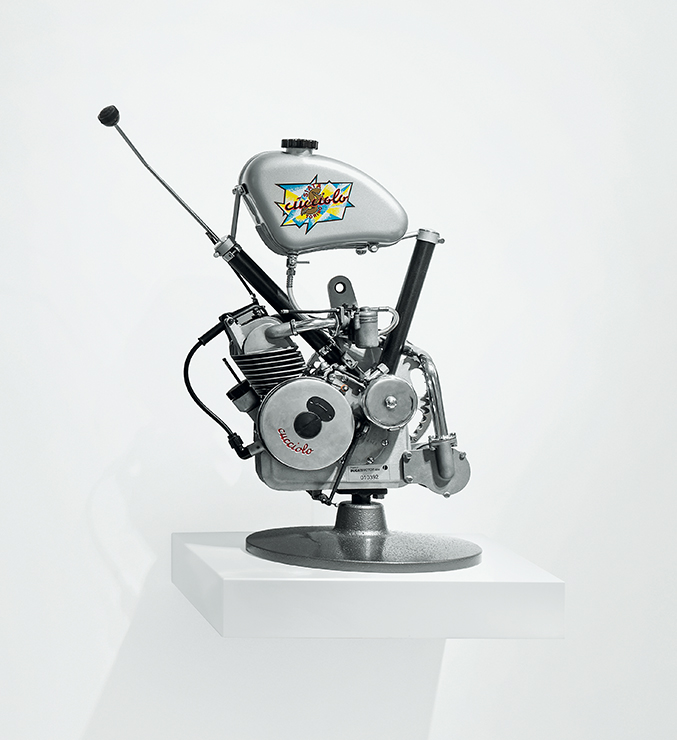
Discover morePost-war Italy sought a fresh start and one of the most urgent needs was mobility. Transportation was essential in order to further the economic recovery of the nation after years of conflict.
The reconstruction of the Borgo Panigale factory following the bombings of October 1944 represented an opportunity that Ducati exploited in order to relaunch its activities.
The electro-technical department was partly converted to operate in a new sector and, in 1946, the first auxiliary engine for bicycles was developed.
|
|
|
|---|---|
|
Displacement
|
48 cc
|
|
Maximum power
|
1.5 hp at 5500 rpm
|
|
Maximum speed
|
50 km/h
|
|
Dry weight
|
Not available
|
The Cucciolo was not only able to transform any bicycle, injecting power and agility, but it also allowed Ducati to transform as a company and play a small role in Italy’s post-war recovery.
In addition, the Cucciolo was easy to export, and it was not long before it became a success story on international markets. In a black and white photograph, the Cucciolo is seen traveling the streets of New York with the Chrysler Building in the background.
The road and race bikes that have made Ducati history over the years.
Past and future, challenges and successes, vision and determination: the Ducati Museum is a journey through the legendary 90-year history of the Company, renowned across the world for its style, performance and the search for perfection.
discover more