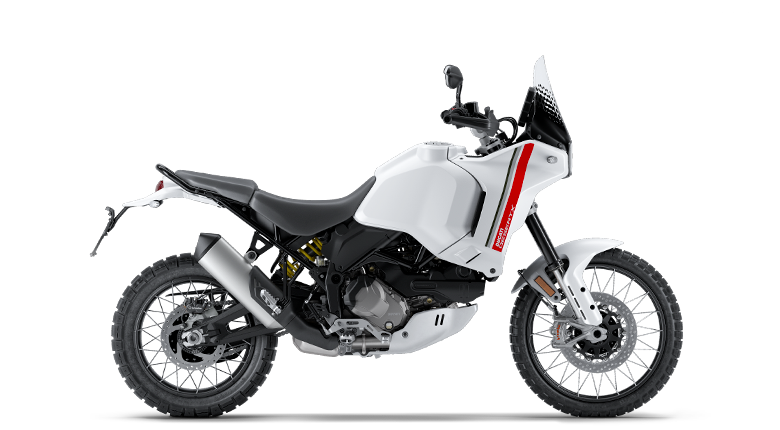
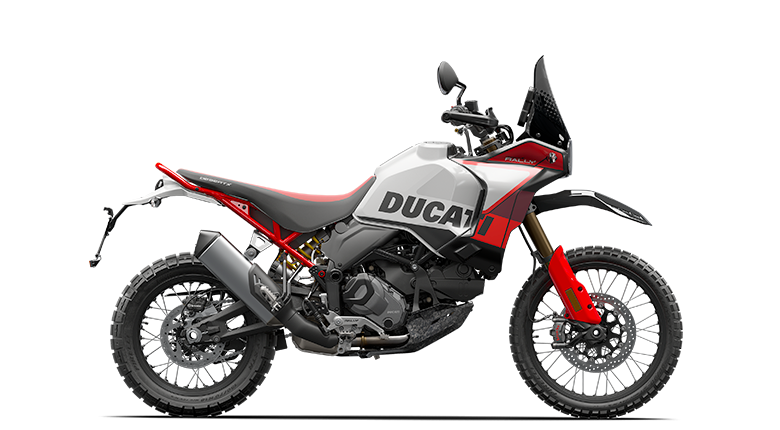
 DesertX
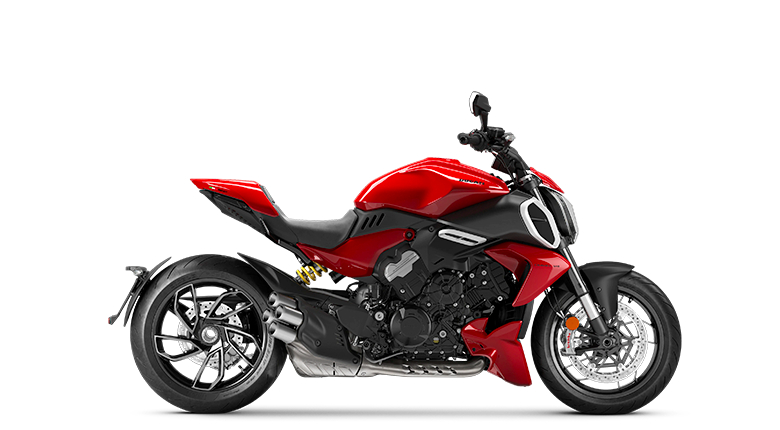
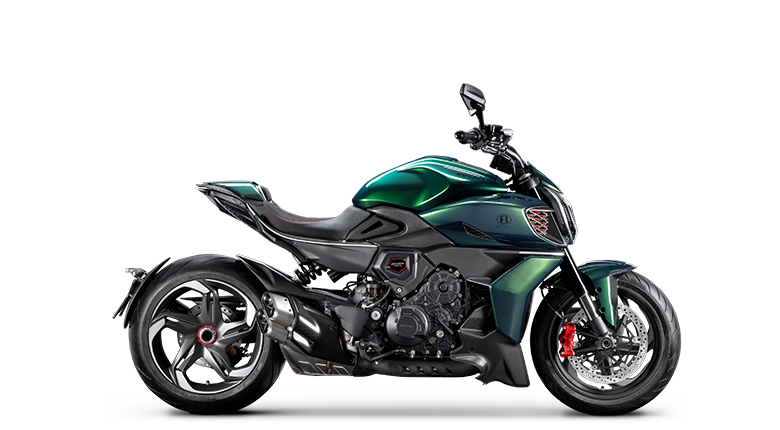
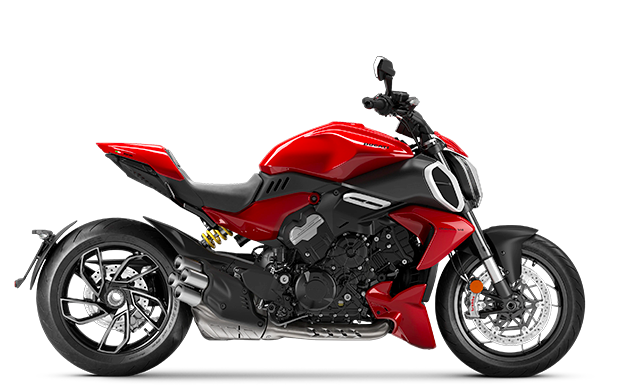
 Diavel
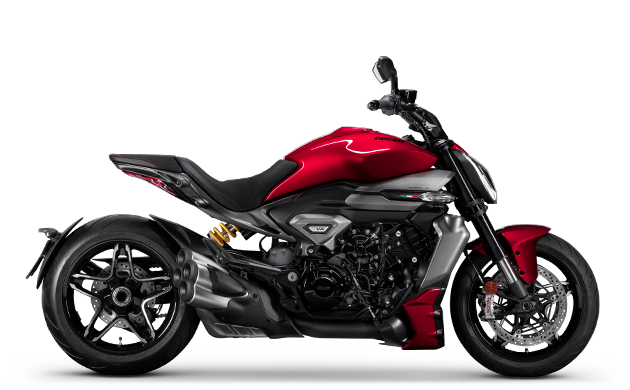
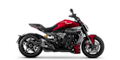 XDiavel
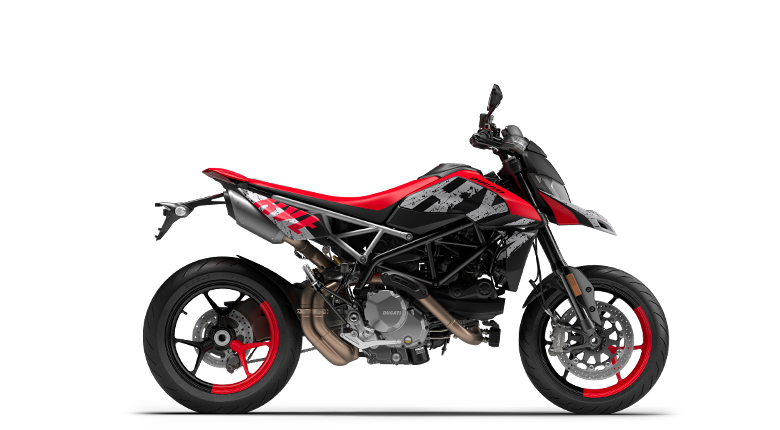
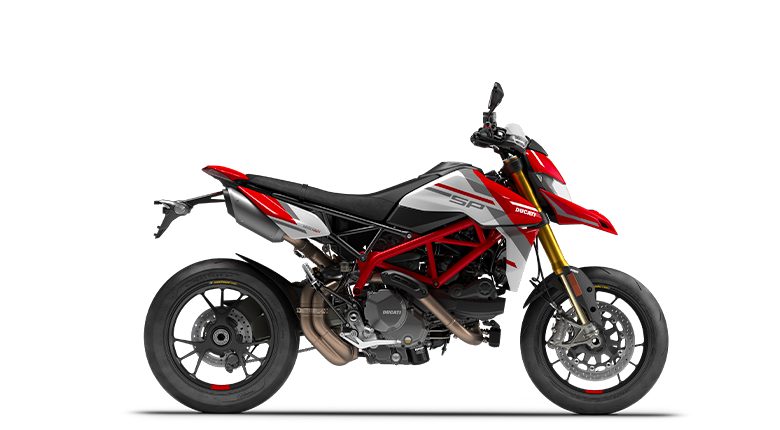
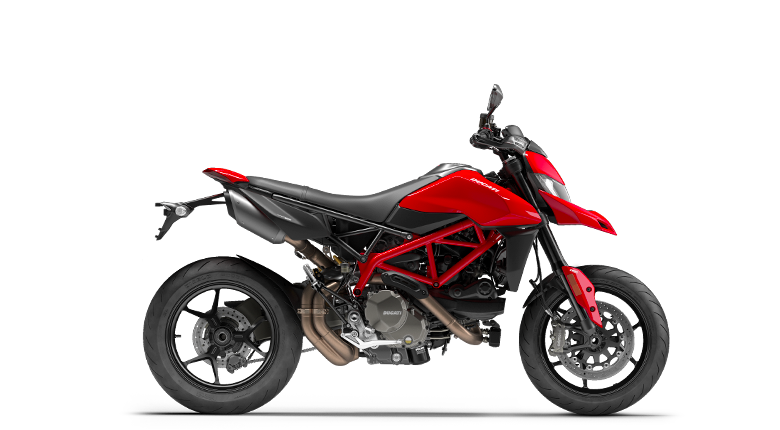
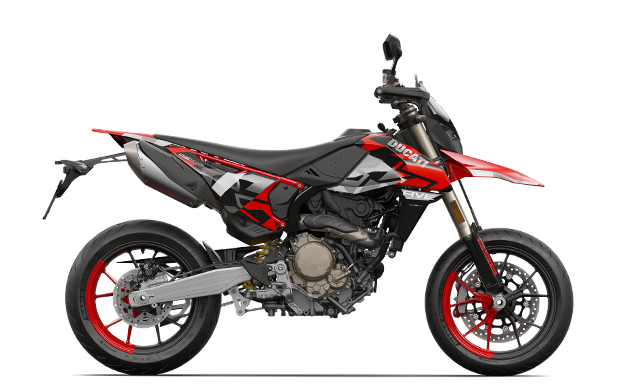
 Hypermotard
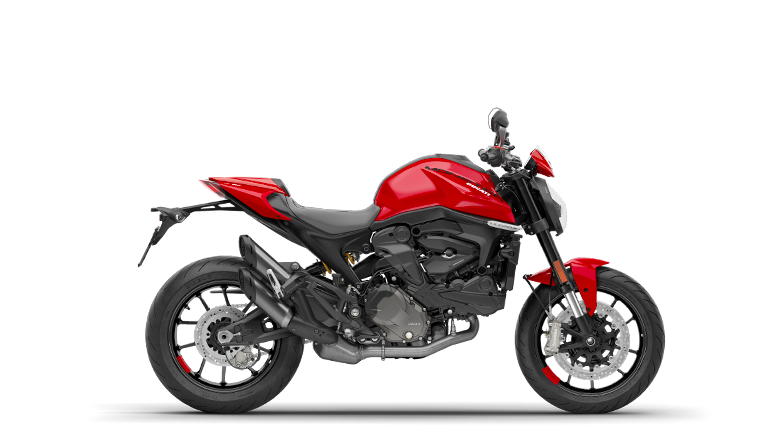
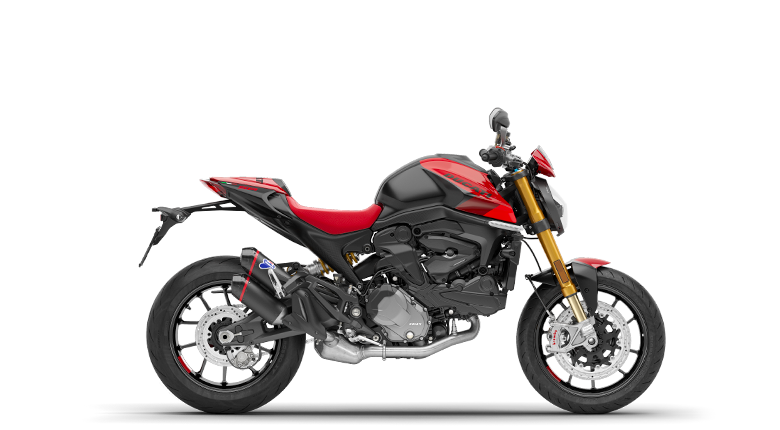
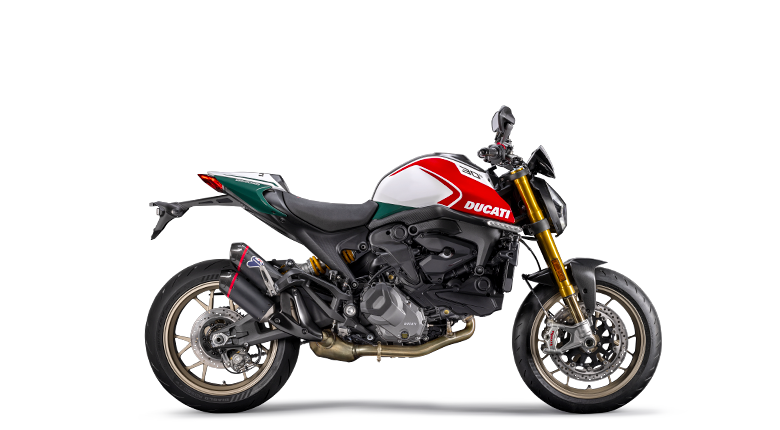
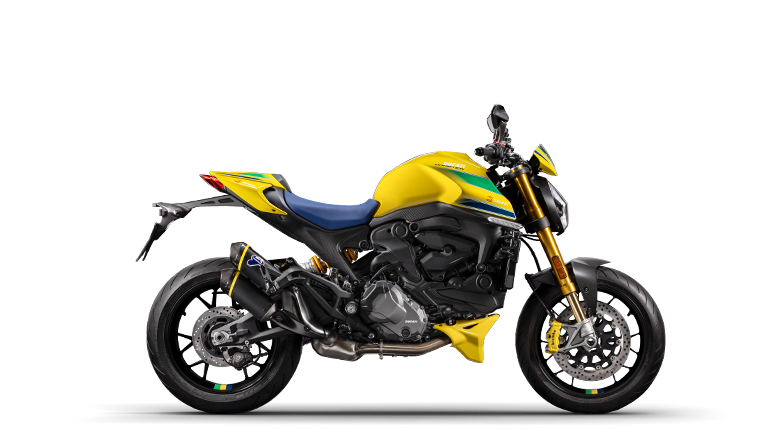
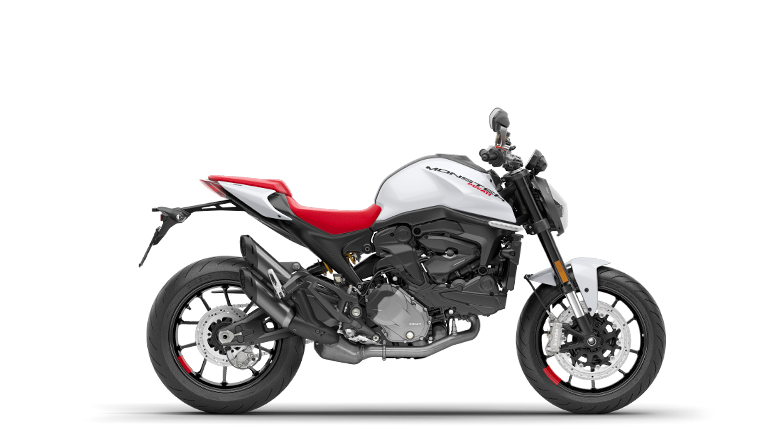
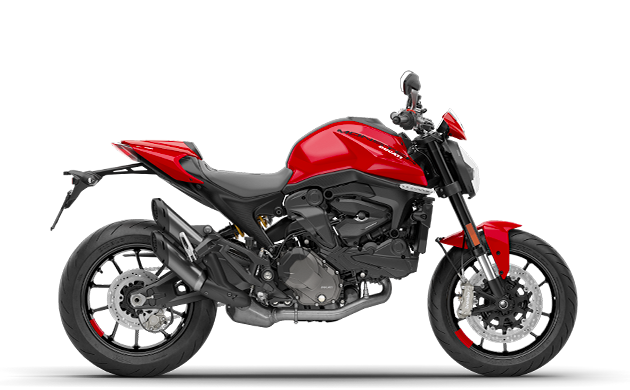
 Monster
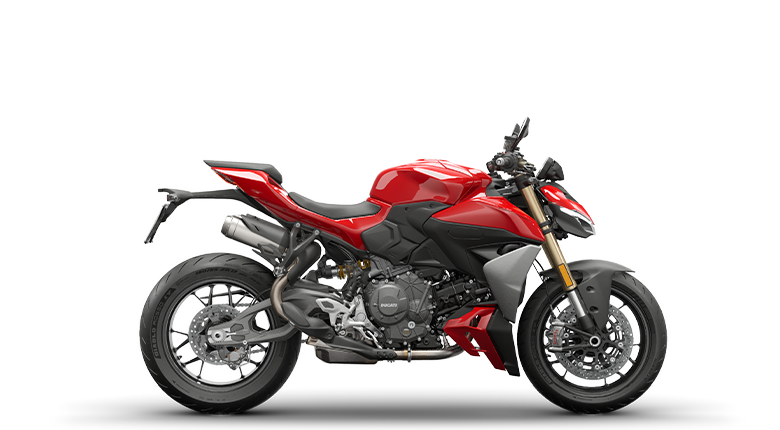
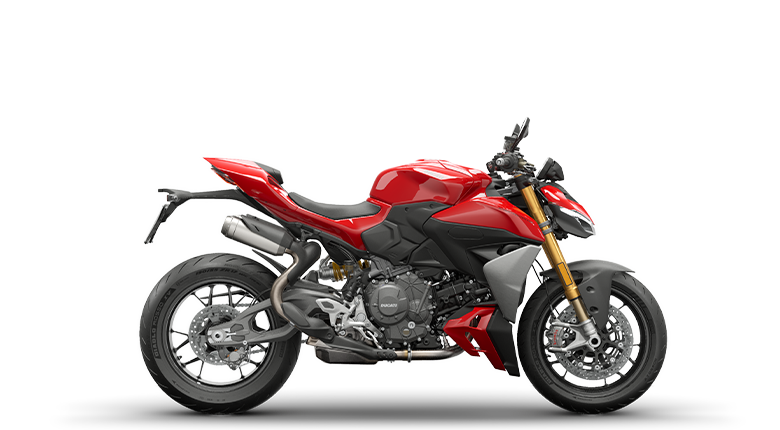
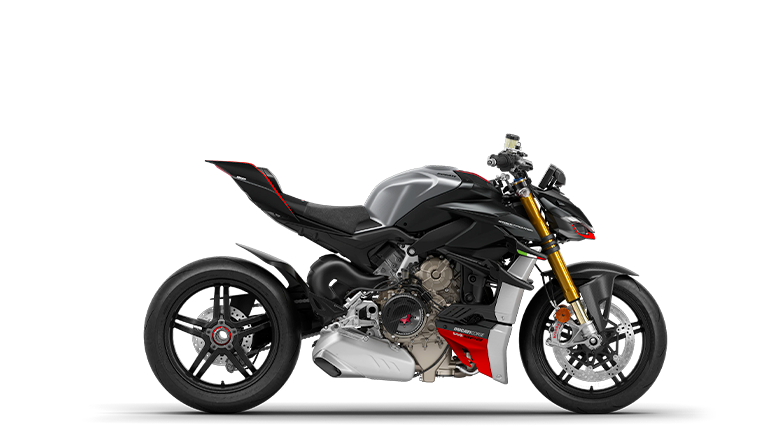
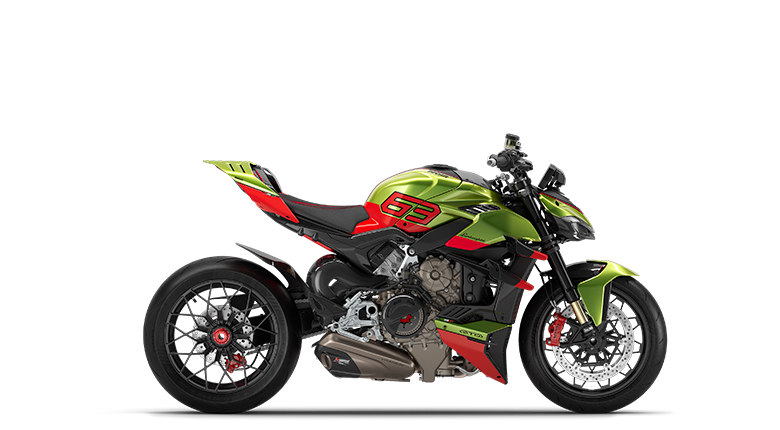
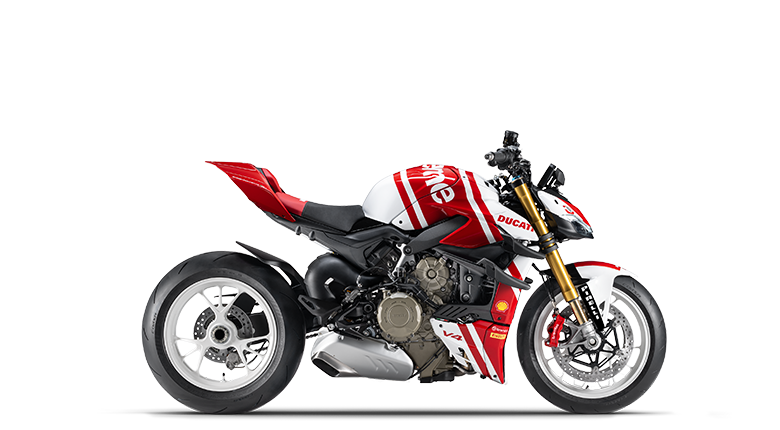
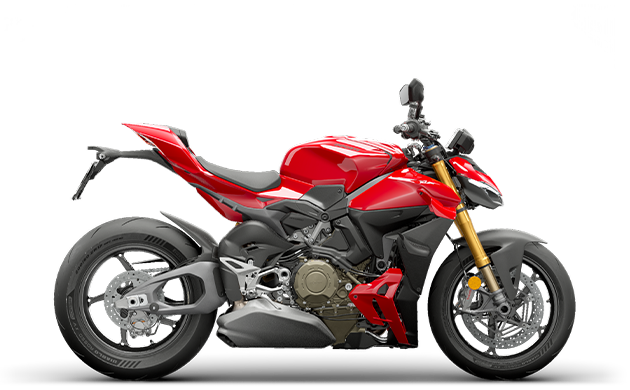
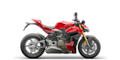 Streetfighter
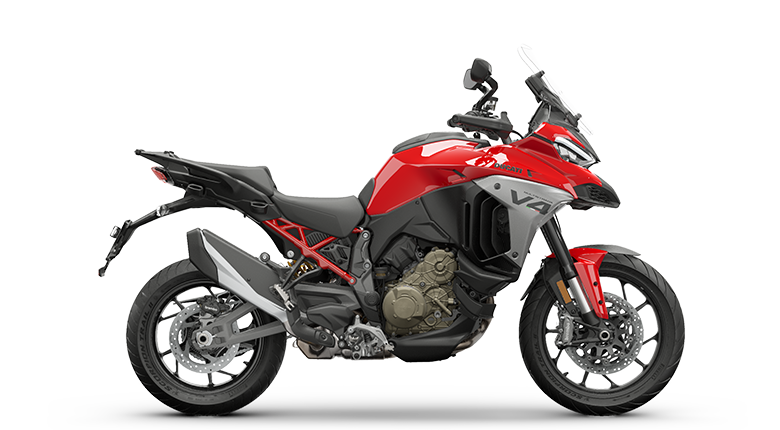
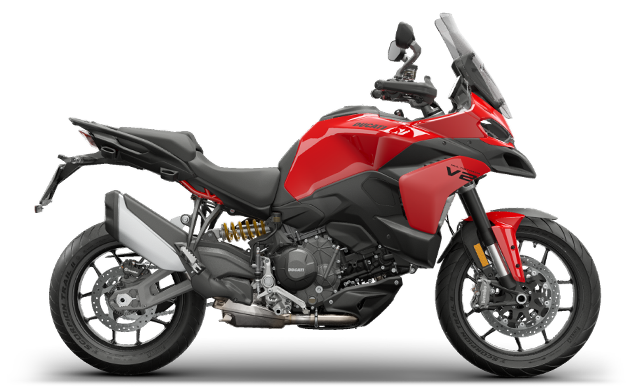
 Multistrada
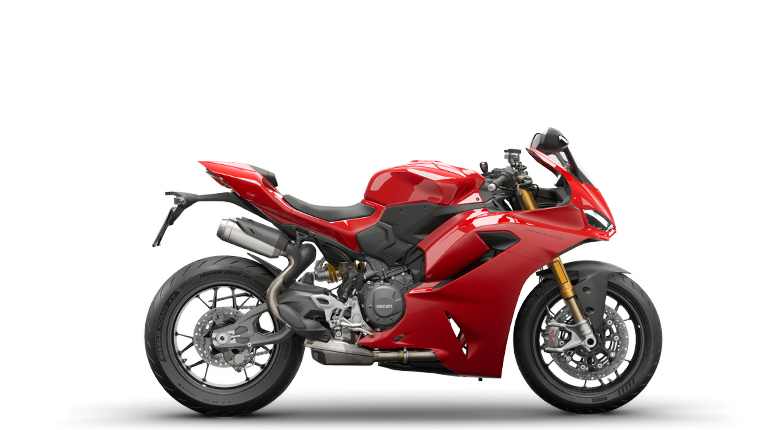
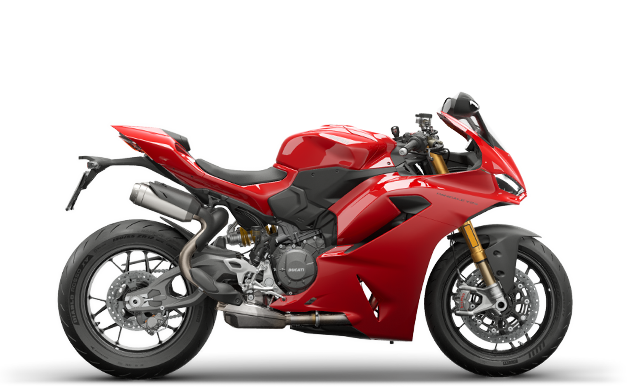
 Panigale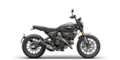
 35 kW Bikes
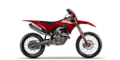 Off-Road
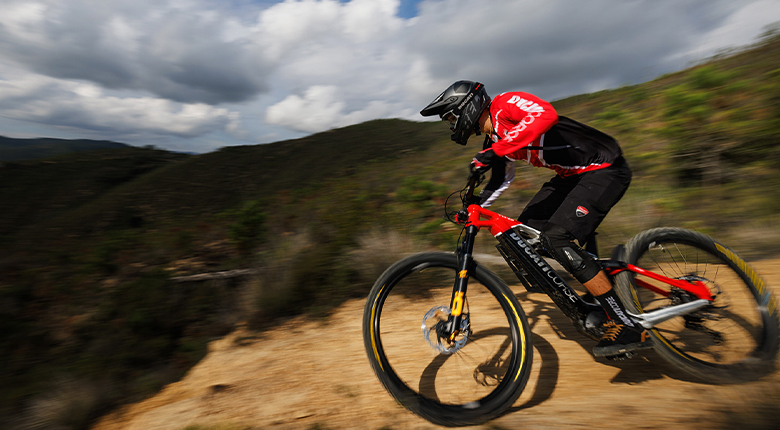
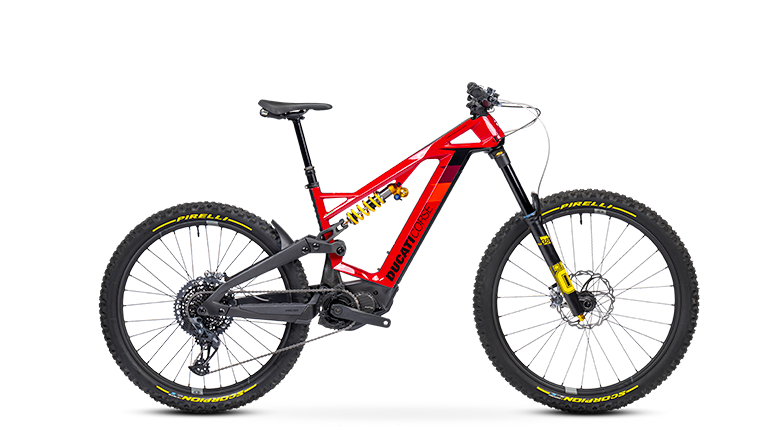
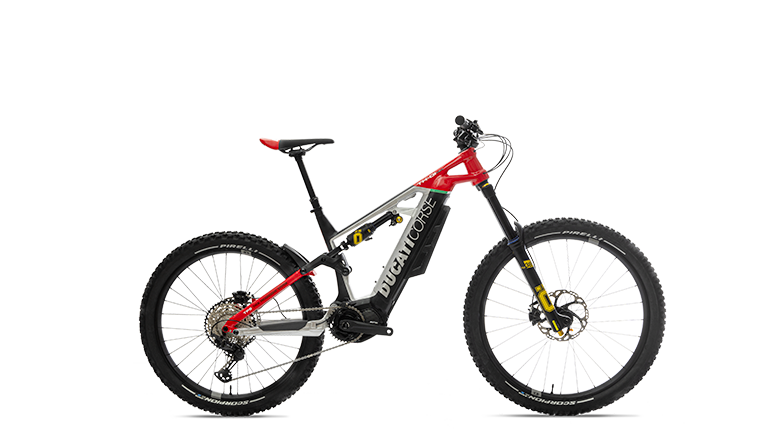
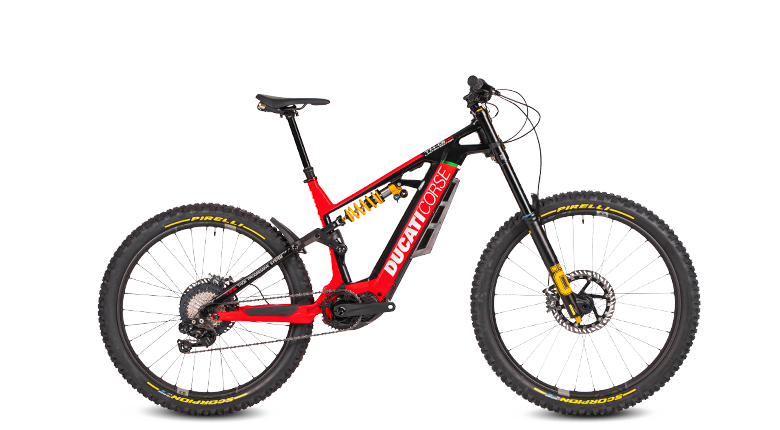
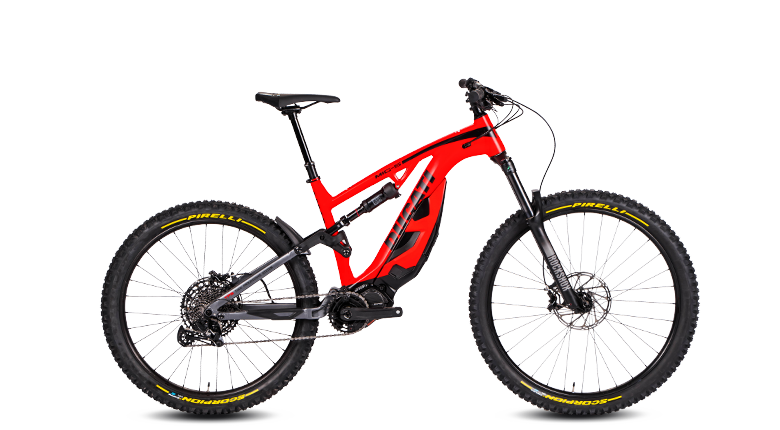
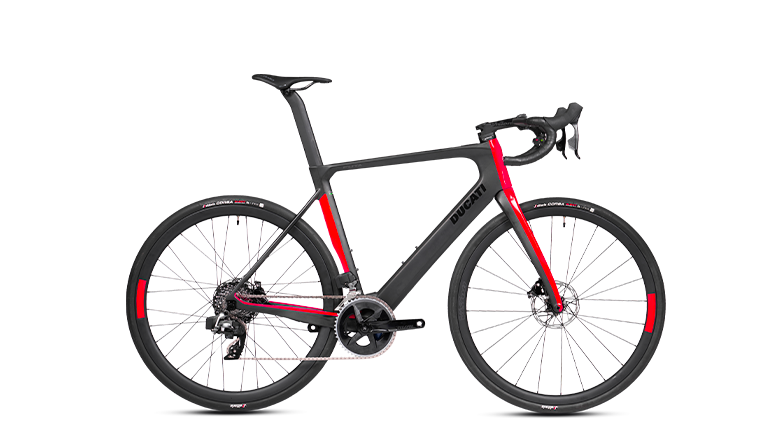
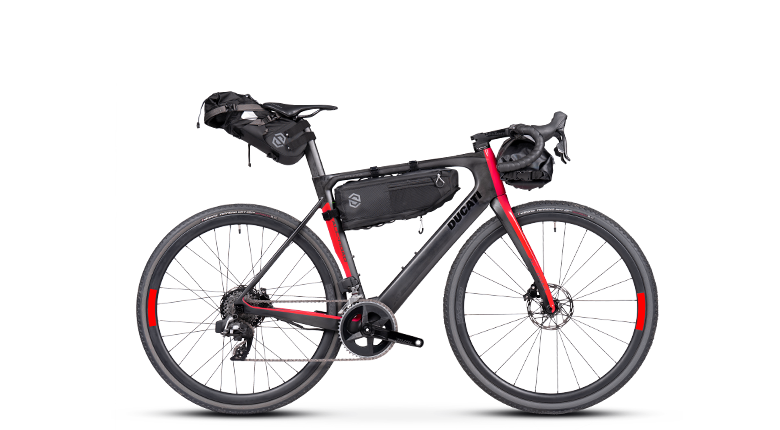
 E-BIKE
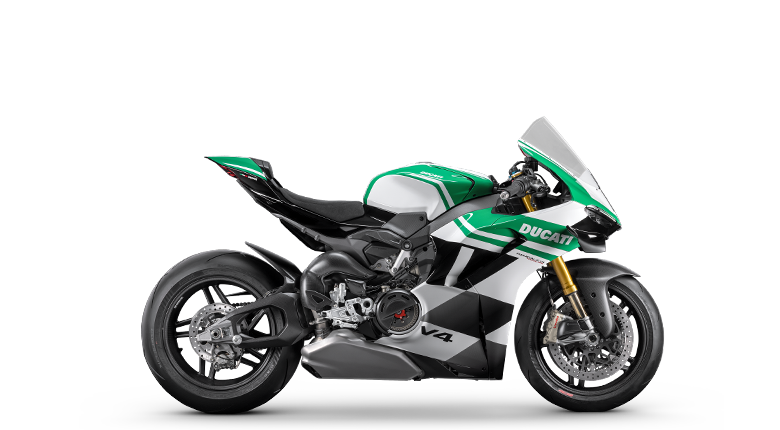
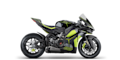 Limited Series

DesertX Family: Exploration and fun beyond all limits.
Take your wildest dreams and make them come true. The DesertX Family will accompany you everywhere. All the way.







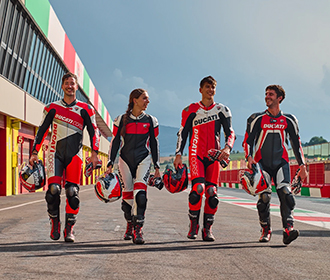
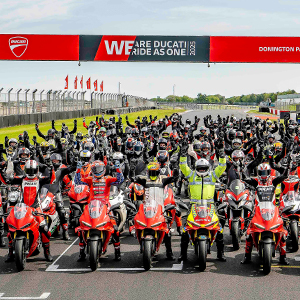
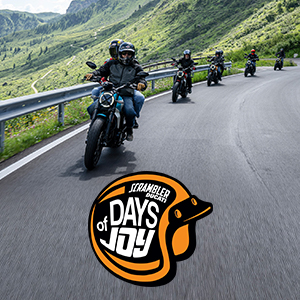
Discover about events and rallies organized by Ducati and the Ducati Official Clubs.
Discover more
The online shop has a whole new look. Our style is the same as always. Buy now!
Click and discover!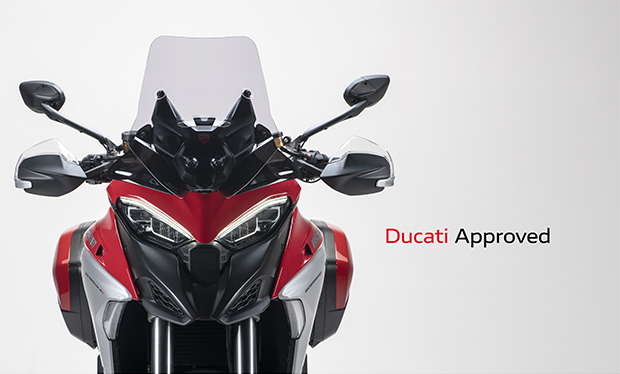
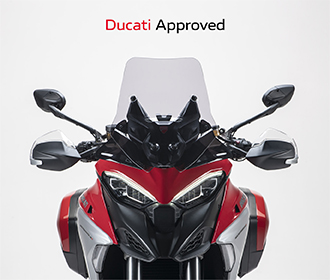
When you choose a Ducati Approved bike, you can be sure that Ducati is always by your side.
Discover more