
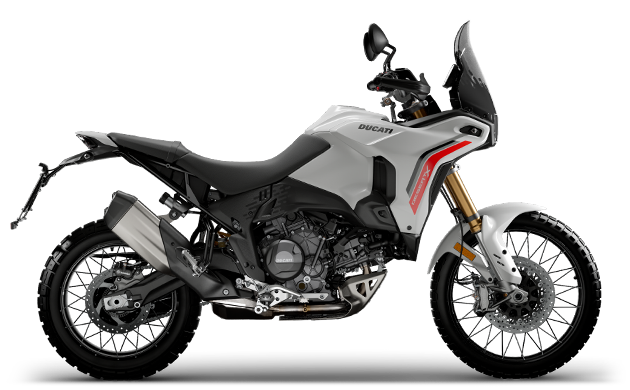
 DesertX
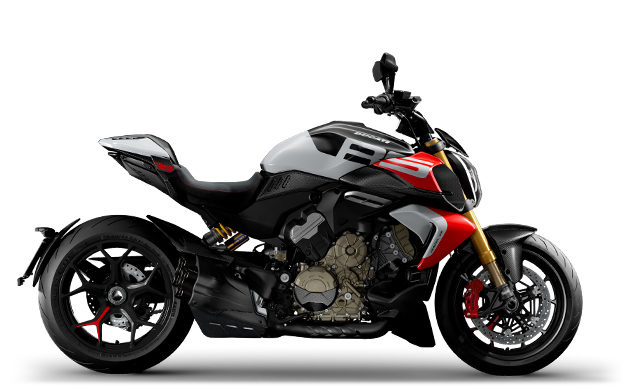
 Diavel
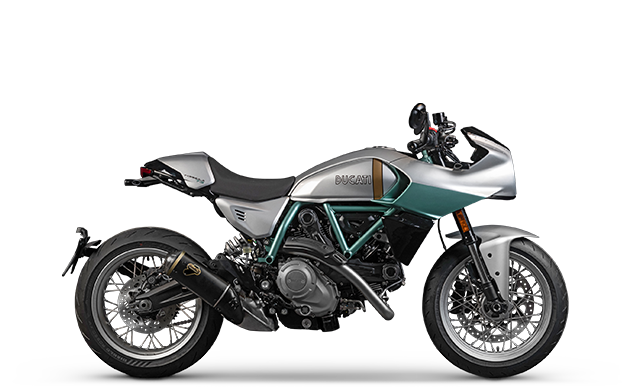
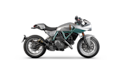 Heritage
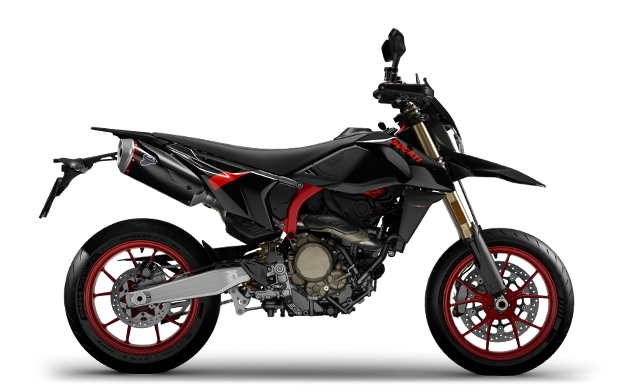
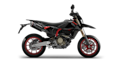 Motard
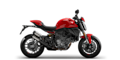 Monster
 Multistrada
 Off-Road
 Panigale
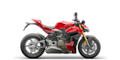 Streetfighter
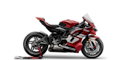 Superleggera
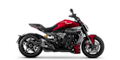 XDiavel
 35 kW Bikes
 Ducati Cycling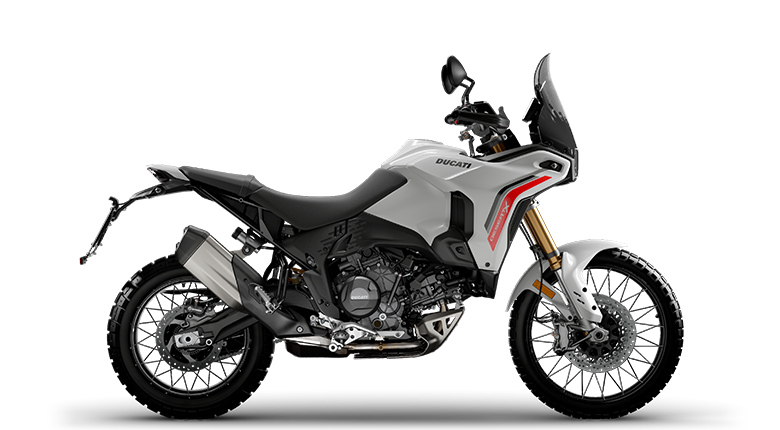
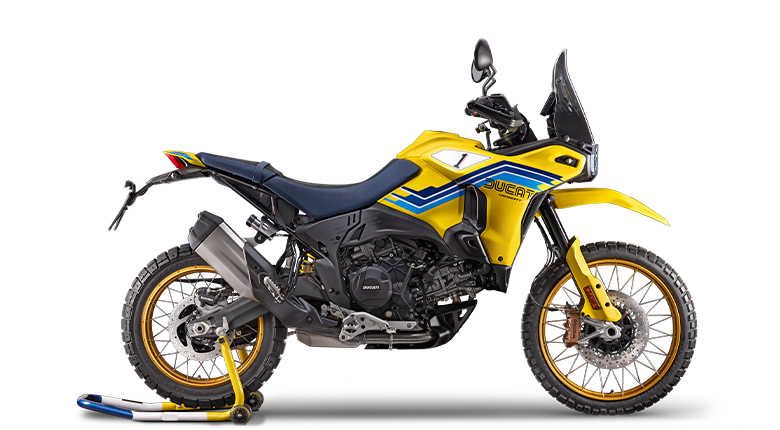
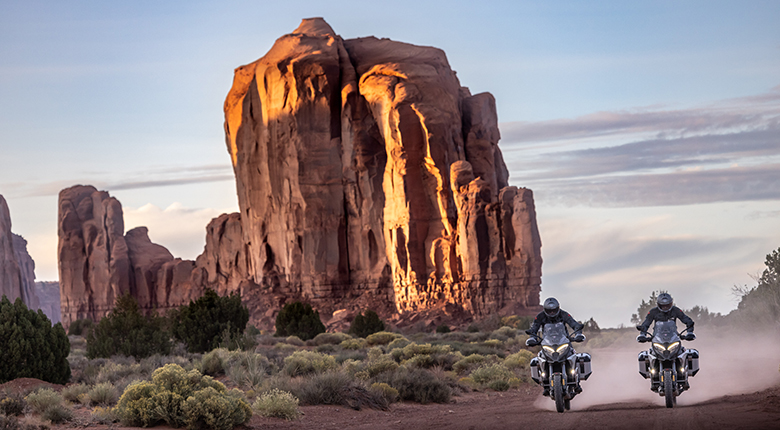
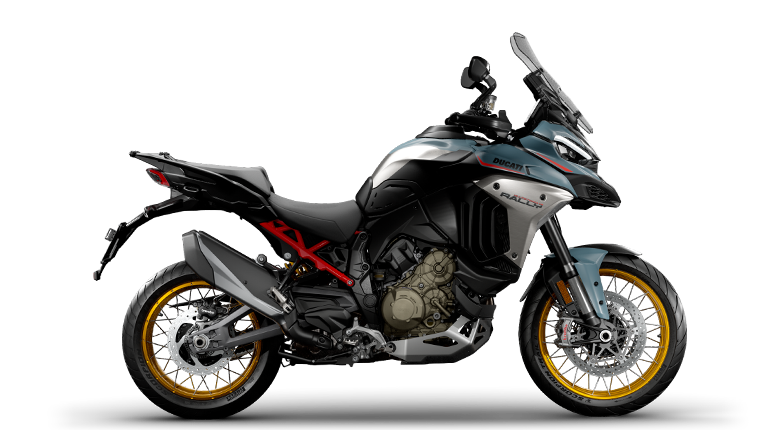
DesertX
- 110,3 hp Power
- 92 Nm Torque
- 209 kg (461 lb) Wet weight no fuel



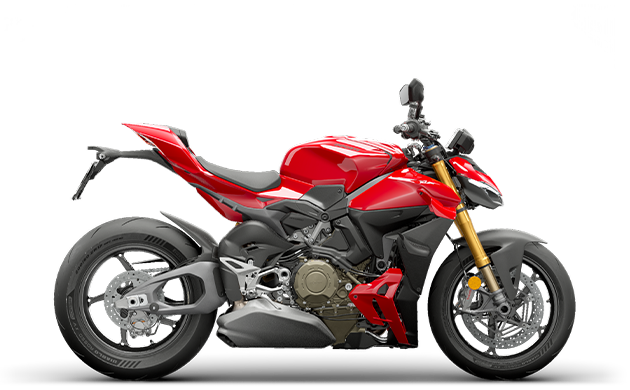
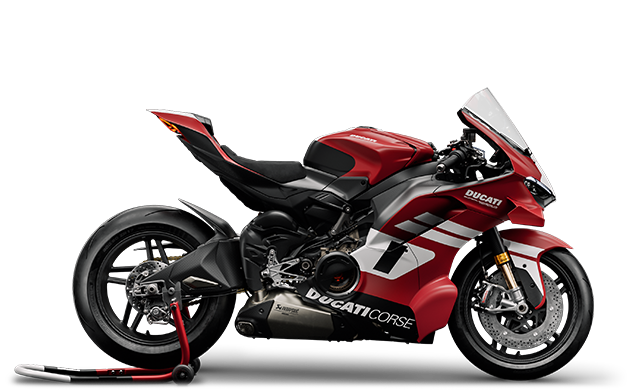
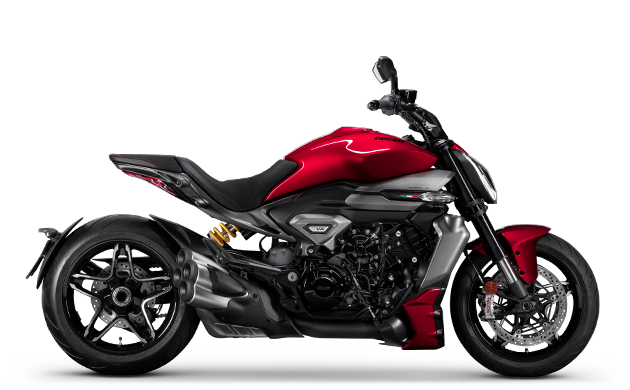
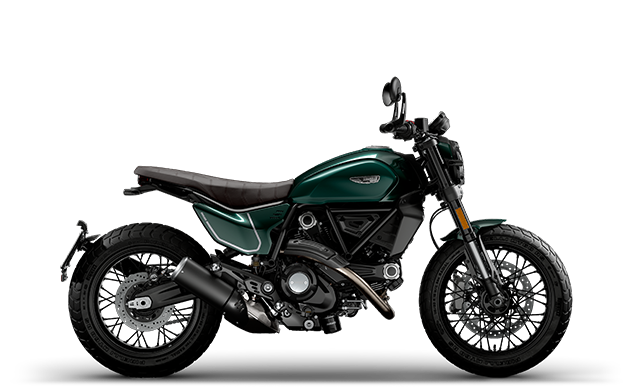
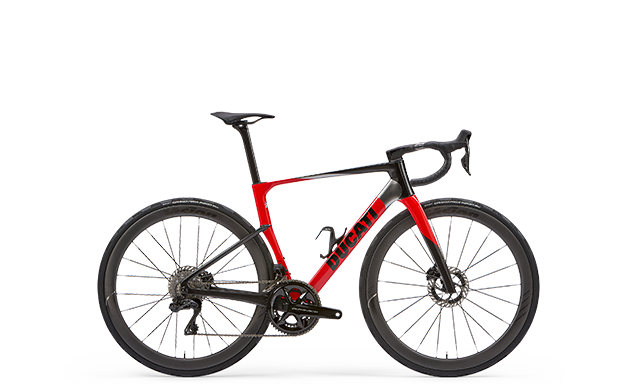

Discover about events and rallies organized by Ducati and the Ducati Official Clubs.
Discover more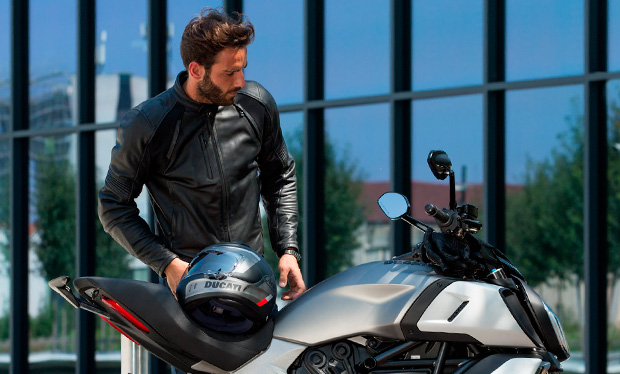
The online shop has a whole new look. Our style is the same as always. Buy now!
Click and discover!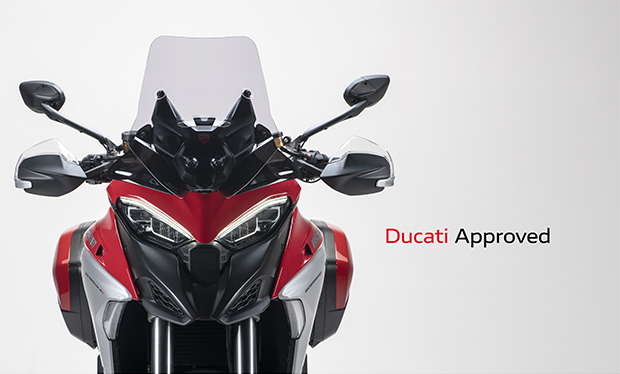
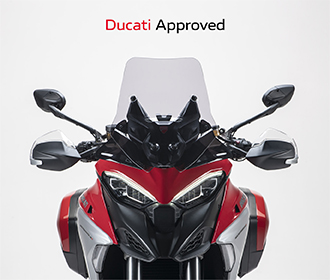
When you choose a Ducati Approved bike, you can be sure that Ducati is always by your side.
Discover moreIt is 1993. The world is in turmoil, shaped by cultural change, social revolutions and technological progress. Old ideologies are giving way to new ideas and a growing desire for freedom. The minimalist wave sweeps away the excesses of the 1980s and redefines aesthetic standards. While cinema embraces the magic of special effects, music channels the rebellious spirit emerging from Seattle, and the sporting world celebrates legends such as Michael Jordan and Ayrton Senna, another icon is preparing to leave its mark.
In Borgo Panigale, Ducati is going through a defining moment in its history. On the sporting front, the WorldSBK successes of Raymond Roche first, and Doug Polen later, have taken the brand to the top of the world. Commercially, however, the company is still searching for full stability. With so much at stake, the Castiglioni brothers, owners of the company, assemble a dream team of engineers, technicians and designers led by Massimo Tamburini.
Brilliant, passionate and obsessed with perfection, Tamburini has a very clear vision of what the successor to the 851 should be. More than that, he knows exactly what a true Ducati should be. A motorcycle unlike any other, and certainly unlike the Japanese machines of the time. A motorcycle with a clear and unmistakable identity. One that would stand in a category of its own.
The team works in absolute secrecy. Each time the prototype evolves, instead of testing it in a wind tunnel, Tamburini himself climbs into the saddle and rides the roads between San Marino and Rimini. Especially on rainy days, when watching water droplets flow across the bodywork allows him to study the bike’s aerodynamic behaviour. It is no coincidence that he would later be called the Michelangelo of motorcycling. Like a sculptor, Tamburini shaped his motorcycles until they reached perfection.
Technically, the Ducati 916 is an 888 taken to the extreme. The trellis frame is made even slimmer and more refined. The engine is the Desmoquattro with desmodromic valve timing, developed by engineer Massimo Bordi, enlarged to 916 cc and reinforced in its most mechanically stressed components.
From a design perspective, the Ducati 916 is unlike anything ever seen before. Distinctive elements such as the tightly wrapped fairings, the single-sided swingarm, the twin teardrop-shaped headlights and the elliptical exhaust silencers positioned beneath the tail section are the expression not only of a design philosophy that combines style and performance at unprecedented levels, but also of a relentless pursuit of perfection visible in every detail.
This attention can be seen in features such as the footpegs, designed with special grooves to channel away dirt regardless of the rider’s foot position. Or in the patented steering damper layout, engineered to make the steering area as compact as possible.
Every detail serves a purpose. Every solution reflects a vision. A vision that transformed the Ducati 916 into one of the most iconic motorcycles ever created.
The Ducati 916 is not just a motorcycle. It is a work of art, a celebration of beauty. It is also the manifesto of a design vision that would go on to become an integral part of Ducati’s DNA.
Victorious on the track and successful in the marketplace, it became the ultimate object of desire for superbike enthusiasts. For everyone else, it was simply “the most beautiful motorcycle of all time.”
It is 1993. Yet it feels as if it were today.