
 DesertX
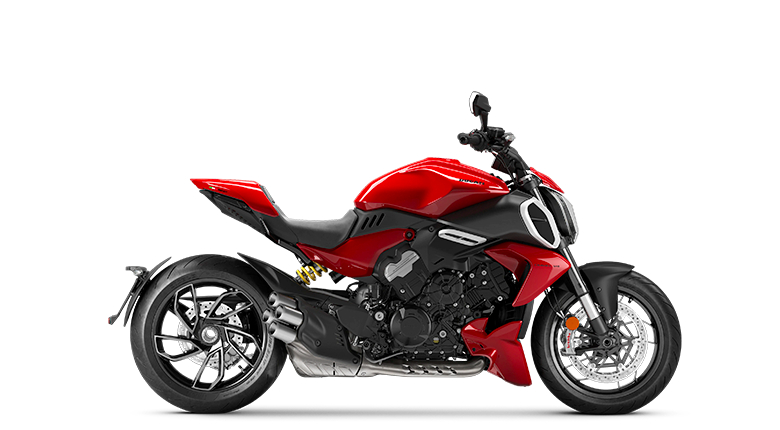
 Diavel
 Heritage
 Motard
 Monster
 Multistrada
 Off-Road
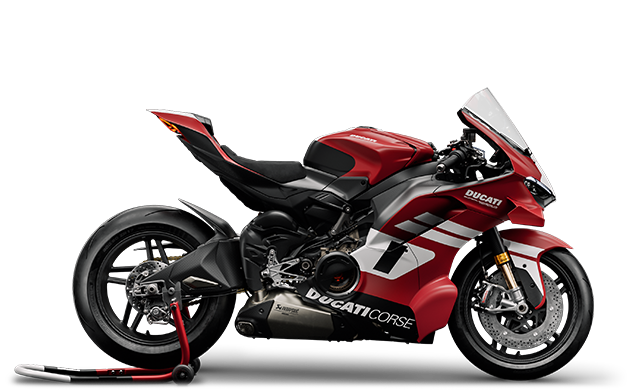
 Panigale
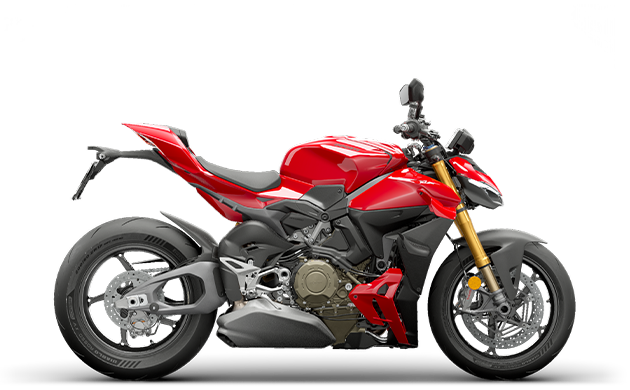
 Streetfighter
 Superleggera
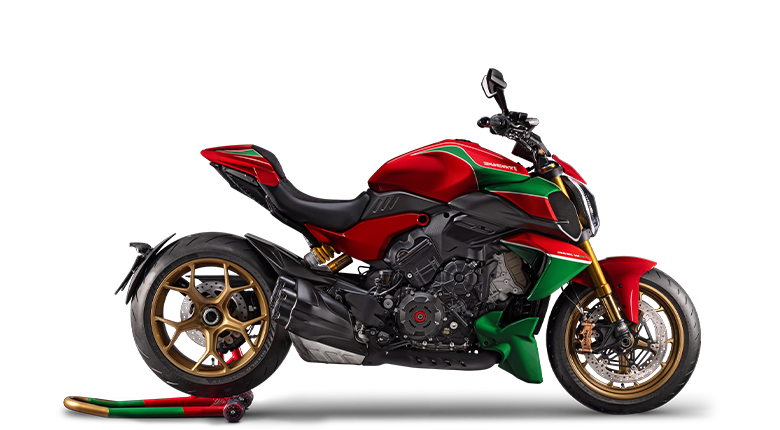
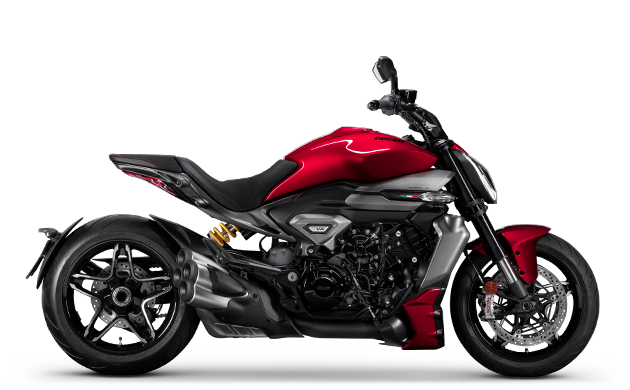
 XDiavel

 35 kW Bikes
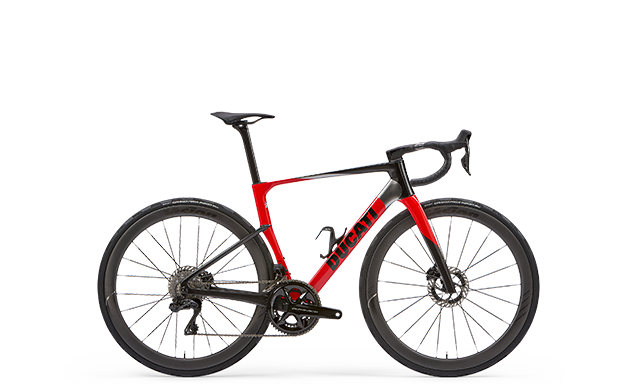
 Ducati Cycling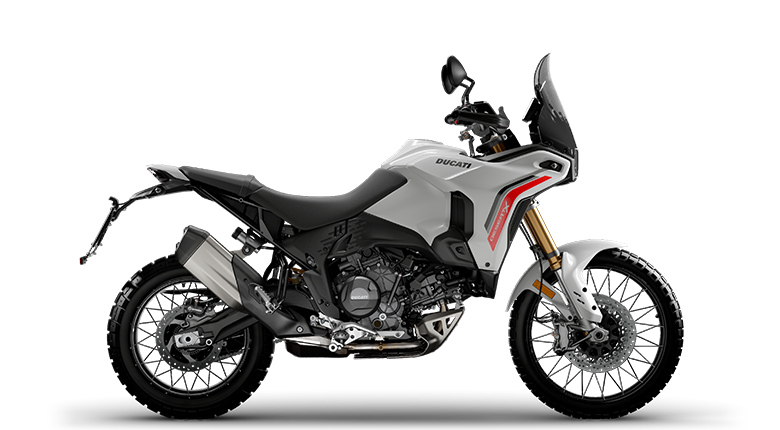
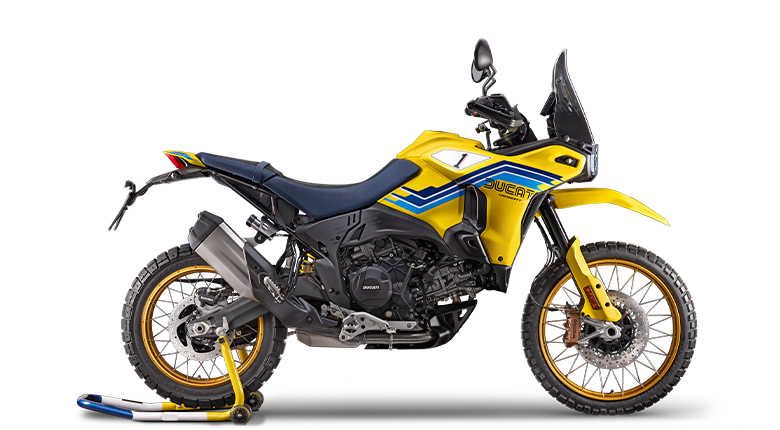
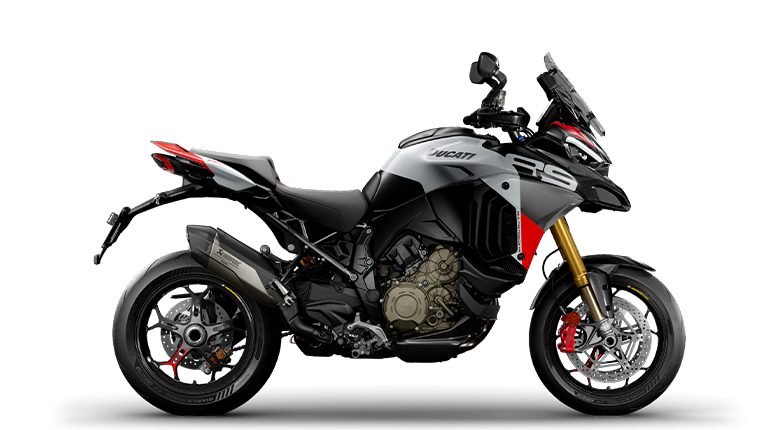
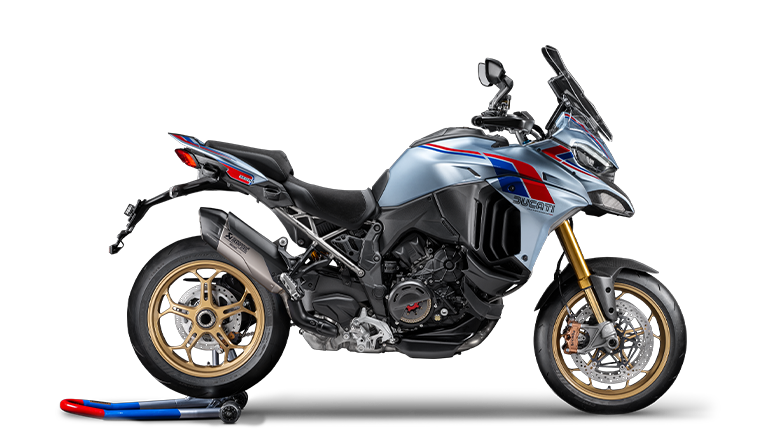
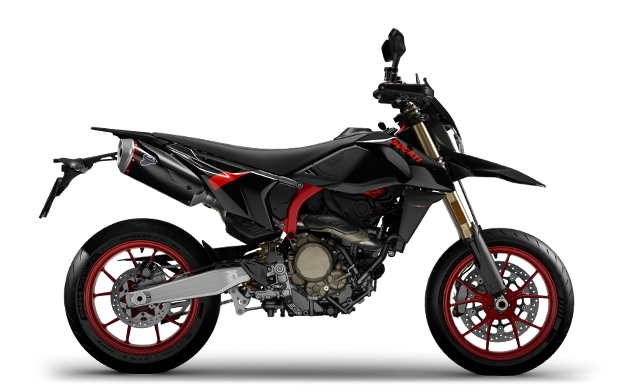
DesertX
- 110,3 hp Power
- 92 Nm Torque
- 209 kg (461 lb) Wet weight no fuel



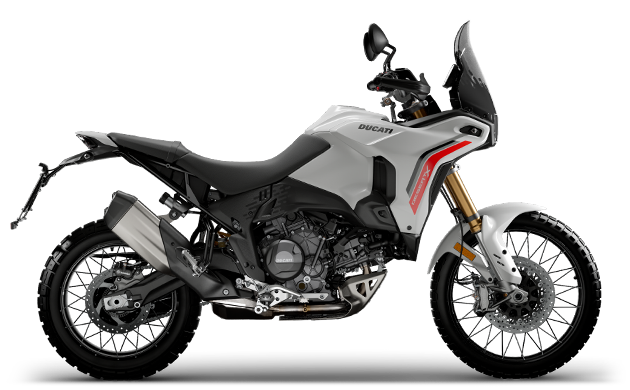
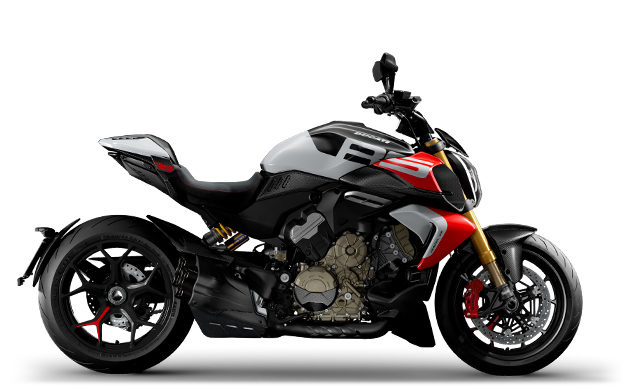
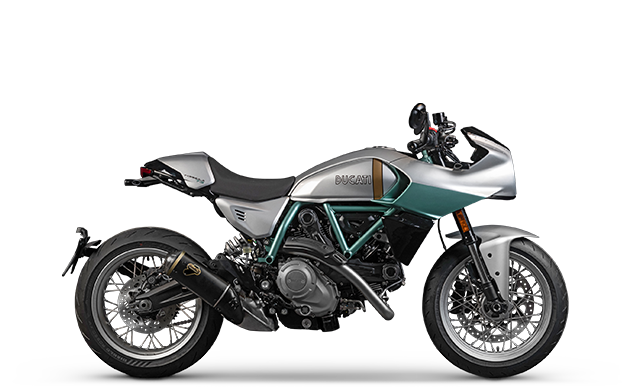




Discover about events and rallies organized by Ducati and the Ducati Official Clubs.
Discover more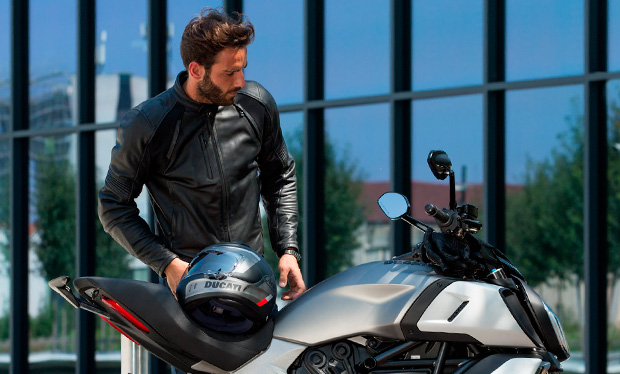
The online shop has a whole new look. Our style is the same as always. Buy now!
Click and discover!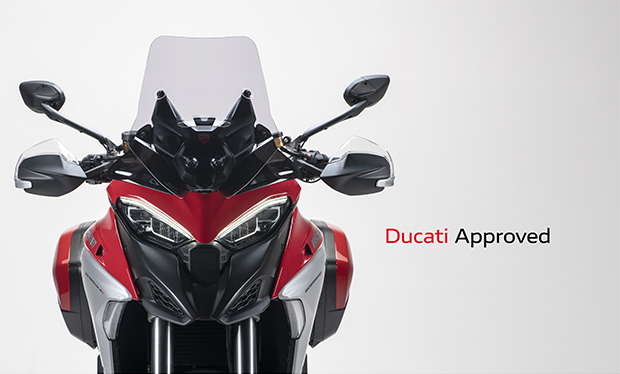
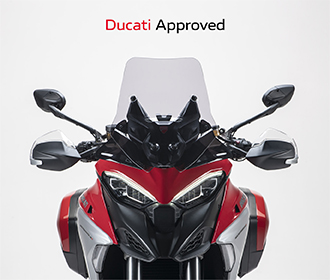
When you choose a Ducati Approved bike, you can be sure that Ducati is always by your side.
Discover moreTo become a great tennis player, you need great matches. In the closing months of 2022, in the United States, Jannik Sinner reached match point against fellow Next Gen star and rival Carlos Alcaraz. The two knew each other well, respected one another, and always seemed to enjoy competing together on court.
With the crowd on its feet and commentators struggling to believe what they were witnessing, the spectacular contest alternated between relentless baseline rallies and sudden shifts in momentum. The edge appeared to be with the Italian, but at match point he failed to close out the encounter. Not long after, worn down by the renewed intensity of an inspired Alcaraz, Sinner lost what was, at that point, the most important match of his career.
Just a few days later, Carlos Alcaraz would go on to claim his first Grand Slam title on American soil and rise to world number one. Only Jannik Sinner had truly pushed him to the limit. But on that occasion, it was not enough.
The first part of the season is often played indoors and on fast courts. Daniil Medvedev is one of the most distinctive personalities on tour, a divisive figure often criticised for his bluntness, both in press conferences and on court. His game, built around a relentless web of baseline exchanges, is not always the most crowd-pleasing style of tennis.
The setting is Rotterdam, in the Netherlands, on an exceptionally fast court where the ball flies through the surface. It is the final, and Sinner has just won the opening set against the Russian, whom he has never beaten before. At a certain point, however, the match changes. The pace slows, Sinner begins to make tactical mistakes in the baseline exchanges and unforced errors start to accumulate.
Medvedev is physically strong and grows more confident as the match progresses, even finding time to yawn during a changeover. Sinner goes on to lose the remaining two sets 6–2, 6–2.
The Centre Court at Wimbledon hosts Jannik Sinner in his first Grand Slam semi-final, while across the net stands Novak Djokovic, seven-time Wimbledon champion and one of the greatest players in the history of the sport.
The grass courts are no longer as fast as they once were, and the Serbian seems more comfortable than anyone else on this “new” surface. After two high-quality sets slip away, Sinner has an opportunity to reopen the match in the third, earning a set point.
Djokovic responds with a winning serve, holds his service game, looks towards the crowd and mimics wiping away tears. Shortly afterwards, he comfortably wins the tie-break and secures another place in the Wimbledon final.
Matches make players, and it is through these three defeats that we catch a glimpse of the emotional vulnerability of a reserved young man like Jannik Sinner. Along the way came other painful losses too, against Rune in Monte Carlo and Tsitsipas in Australia, along with the lingering feeling that something was always missing on his path to greatness.
But after Wimbledon came the summer, a new level of form and a more complete game than we had ever seen before. Week after week, match after match, but above all victory after victory, Sinner began to play with greater freedom. Most importantly, he began to enjoy himself.
The big wins followed. First Alcaraz, then Medvedev for the first time, and finally Djokovic, twice in the space of a single week. The Sinner of 2023 was a player who had matured both technically and mentally, capable of turning those emotional vulnerabilities, often overlooked, into one of the greatest strengths of his game.
As the season drew to a close, he was flying, smiling and genuinely having fun. By the end of the year, 16 of the world's top 17 players had lost their most recent match against him, a testament to his extraordinary growth and the variety of solutions he now brought to the court, thrilling both fans and experts alike.
We had grown accustomed to the young prodigy who could impose an unsustainable pace from the baseline on almost any opponent. Yet, as has happened to many athletes before him, when physical and mental clarity began to fade, he often struggled to find alternative solutions, retreating into his own world.
From those defeats, the very defeats that seemed capable of slowing his rise, Sinner learned to understand himself and improve. He embraced perhaps the most difficult lesson for any young athlete to grasp: that within defeat lies the key to winning again.
Tennis is a sport built on method, shaped by small, incremental steps planned down to the finest detail. Yet when the crucial moments of a match arrive, it is emotion and creativity that take control.
In tennis, there is no time limit. Victory belongs to the first player who reaches the finish line, even if it means staying on court all day. In any process of growth, learning to nurture your own enjoyment is the key to meaningful development. Every journey encounters obstacles, but knowing when to embrace the moment and feel good about where you are helps you maintain a broader perspective beyond the present.
Today, Jannik Sinner is world number three. In 2023, he won four titles, including his first Masters 1000, and finished runner-up at the ATP Finals in Turin. Thanks in large part to his inspiring performances, Italy also lifted the Davis Cup for the first time in 47 years. Then came the perfect start to 2024, with his first Grand Slam triumph at the Australian Open.
And us? After these first victories, we cannot wait to watch and talk about his next match, simply to see him happy. Because perhaps that is the true secret of sport. Or maybe, quite simply, it is the secret of life itself.