
 DesertX
 Diavel
 Heritage
 Motard
 Monster
 Multistrada
 Off-Road
 Panigale
 Streetfighter
 Superleggera
 XDiavel

 35 kW Bikes
 Ducati Cycling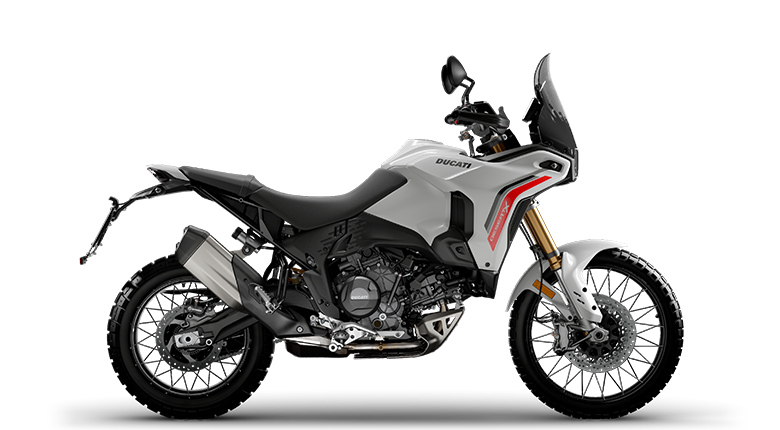
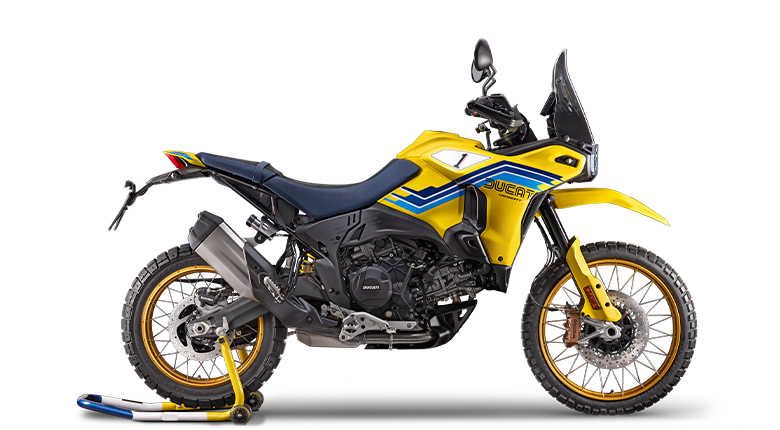
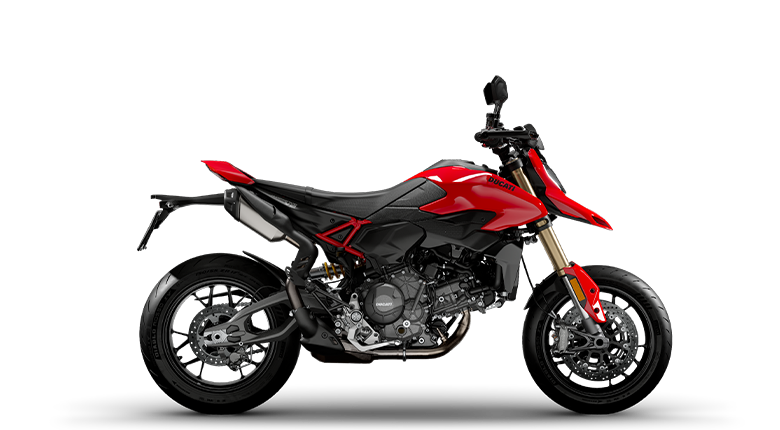
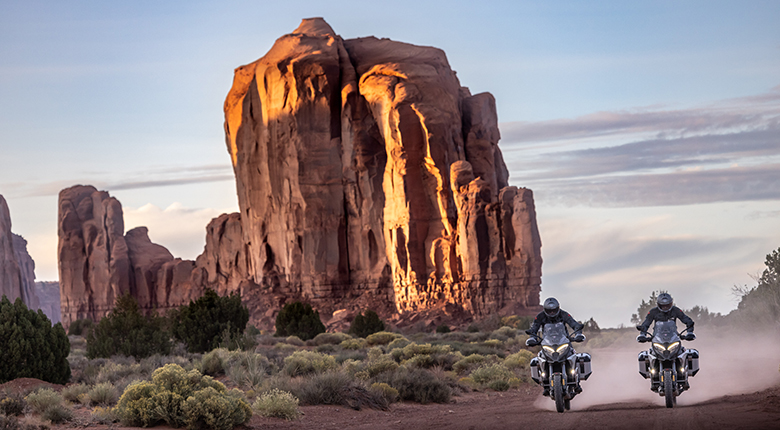
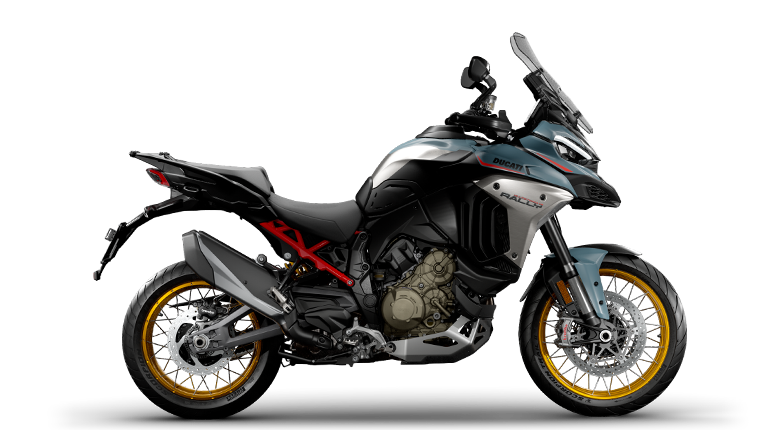
DesertX
- 110,3 hp Power
- 92 Nm Torque
- 209 kg (461 lb) Wet weight no fuel



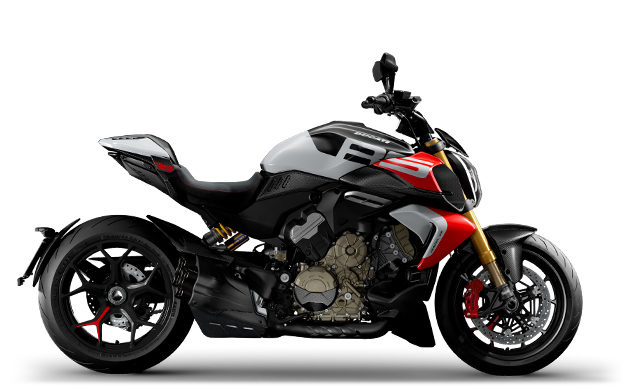
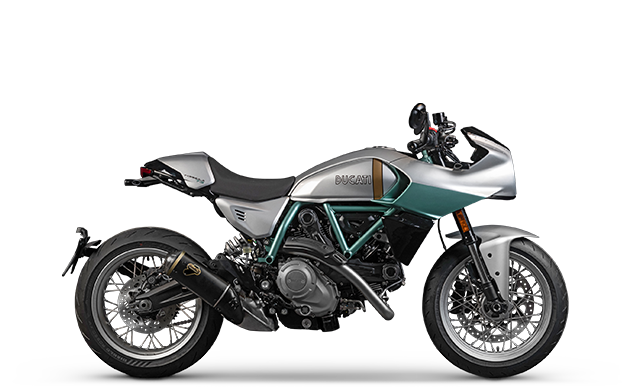
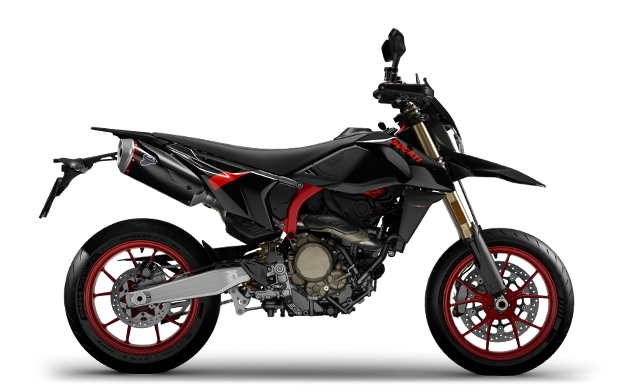
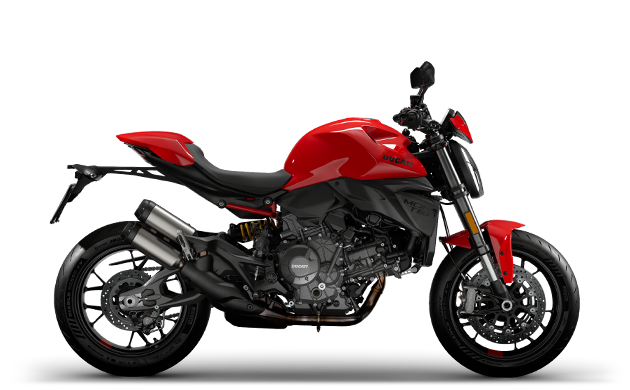
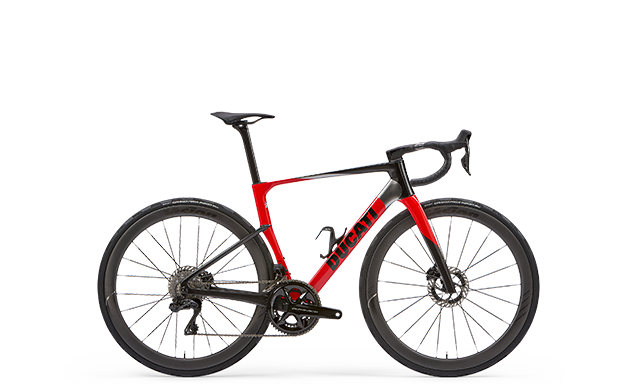

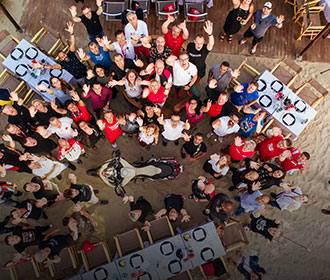
Discover about events and rallies organized by Ducati and the Ducati Official Clubs.
Discover more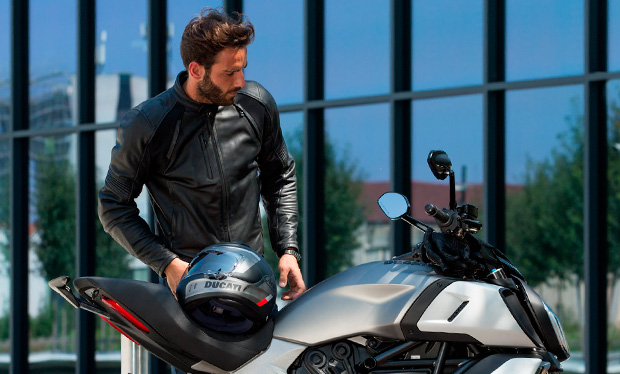
The online shop has a whole new look. Our style is the same as always. Buy now!
Click and discover!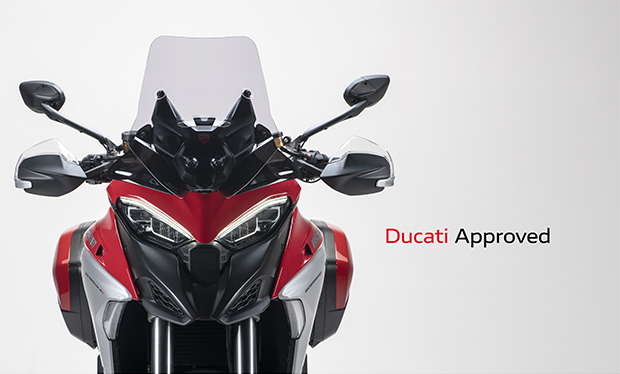
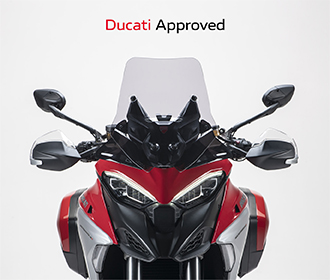
When you choose a Ducati Approved bike, you can be sure that Ducati is always by your side.
Discover moreIs there something in particular that winning has taught you?
When you win, the first thing you learn is that it is never enough. You don’t stop. Once you have experienced that feeling, you want to feel it again, and again. It’s strange, because before that, a second or third place might still have felt like a good result. But after a victory, those same finishes begin to lose their significance. Everything becomes a constant pursuit, a tension towards something you have already achieved but that somehow feels farther away each time. It is as if every milestone raises the bar for the next one.
It changes the way you see your own work. You realise that you are no longer racing simply to compete, but to win. And that changes you. It drives you forward, but it also forces you to carry everything that victory brings with it: the pressure, the expectations, the responsibility of proving once again what you have already shown you can do. It is beautiful, but it is also intense.
And what about the more difficult moments? The times when you had to fight your way back or deal with the most discouraging crashes? What did they teach you?
Crashing teaches you far more than you would like it to. It forces you to confront your limits and analyse yourself. It’s not just a technical matter—lines, grip or braking—it’s also a mental one. You have to learn how to stay with the mistake, not run away from it. Because if you truly face it, you begin to understand why it happened and how to avoid it the next time.
Every time I’ve crashed, I’ve taken something away from it. Even if it’s just a little more awareness, a sharper instinct. Because when you find yourself in the same situation months later, that memory helps you make the right decision. That’s where real growth happens. Victories give you visibility, but defeats are what shape you. And in their own way, they prepare you for the next opportunity.
How much does your personality influence the way you approach sport? And, in return, do you feel that motorcycle racing is changing you?
My personality has a huge influence. I’m someone who likes to be fully involved, to understand things and stay in control. But I’m also very direct, and I can’t always be completely that way. There are moments when you have to hold back, choose your words carefully and avoid unnecessary controversy. Not because you have nothing to say, but because it isn’t the right time or place to say it.
I would love to be even more transparent, more open in the way I express myself. But I know that sometimes a filter is necessary. It’s part of the game. And motorcycle racing teaches you that. It forces you to handle difficult situations, react quickly and not let emotions lead you into mistakes.
I think this sport is helping me bring out the best version of myself. It pushes me to be focused, determined and patient. I wouldn’t say it’s changing me into someone I no longer recognise, but it is certainly helping me mature faster. And if one day I realised I was becoming someone I didn’t like, that would be the moment to stop and rethink everything.
Every season brings new pressures, both on and off the track. What is your most important personal challenge? What aspect of yourself do you want to work on the most?
My personal challenge is very clear: proving to myself that I’ve learned from the mistakes I made last year. It’s not about proving anything to anyone else. It’s something deeply personal. I want to know that I’ve grown, that I have something more today than I had yesterday, even if it’s just a small detail.
Then there’s the daily work. I want to become an even more complete rider. I want to improve my race management, my consistency and my clarity in decisive moments. I’m not chasing perfection, but a higher level of solidity. That’s where victories are truly built: in the accumulation of small improvements, good decisions, lessons learned from crashes and victories that never go to your head.
That’s my goal. And I’m ready to work on it every single day.
“Go Free” is written on your racing suit. Why did you choose that phrase? Has its meaning changed for you over time?
Go Free is a phrase that has been with me for several years. At first, it was simply a way of reminding myself to race without overthinking, with a clear and light mind. But over time, it has come to mean much more. Today, I see it as a reminder to stay true to myself. Never to lose touch with who I really am, even when the pressure increases, when the environment becomes more complicated and everything seems to be asking you to become someone else.
It means trusting your instincts and your feelings. It also means being able to enjoy the moment, something that in our sport you sometimes risk forgetting. When I’m on the bike and I feel that everything is flowing the way it should, I know I’m following that path.
That’s what Go Free means to me: letting go, but with awareness. And always finding a way to remain honest, first and foremost with myself.
You’ve had an extraordinary career, one unlike any other in the history of the sport. Is there anything about your personality that you now see as a limitation? A knot you still need to untangle to go even further?
Yes, I think everyone has a personality that stays with them throughout their life. In my case, I’ve always had a very determined and direct nature. Ever since I was a kid, I wanted to win. Always. It didn’t matter whether it was an official race or just a training session with friends. I wanted to give everything I had, to push to the limit every single time. And that mindset helped me enormously in building my career, because without that hunger, that willingness to take risks and push beyond your limits, it’s difficult to reach the level I’ve reached.
But with time, experience and also through difficult moments—especially the injuries—I realised that giving everything is not always the right choice. When you’re twenty, you don’t think about it. You crash and get back up. When you’re thirty, you start reflecting a little more. You begin to understand that managing risk is part of the game.
You learn that it’s also important to know when to wait, when to observe, when to listen to your body and your mind. That doesn’t mean changing who you are. It means learning how to use your character differently.
My personality hasn’t become weaker. If anything, it has become clearer and more controlled. Before, it was a constant fire. Now, it’s a fire I know how to manage. I don’t regret anything from the past, because every mistake and every excess taught me something. But today, when I look back, I’m glad I learned how to measure things, how to choose the right moments.
That awareness is perhaps one of the most important changes I’ve experienced, both as a rider and as a person.
Poker Face: we always see you smiling, facing even the most difficult situations with energy. Is that something you consciously build, or is it simply who you are?
I think I’ve always been this way. It comes naturally to me to approach things with positivity, even in the most difficult moments. It’s a mindset that helps me feel good and prevents me from being overwhelmed by expectations, pressure or setbacks. Of course, that doesn’t mean I live in a fantasy world. I know what it means to suffer, to lose, to feel fear or frustration. But I genuinely believe that every day you live, even the worst one, has something to offer. If nothing else, an opportunity to start again.
When things go wrong—a bad race, a physical problem, a difficult decision to accept—the first thing I try to do is take a breath and put everything into perspective. Sometimes a good night’s sleep can completely change the way you see things. Sometimes all you need is to remind yourself why you do what you do.
Motorcycle racing is a fundamental part of my life, but it is not my entire life. When you learn to see things that way, it becomes easier not to let setbacks bring you down. A smile doesn’t change reality, but it changes the way you experience it.
Todo al Rojo. Is it just a coincidence of colours? Or do you believe there is a connection between your personality, your identity, your energy and the spirit of Ducati that goes beyond that?
For me, red has always been a special colour. It’s difficult to explain rationally, but ever since I was a child it has made me feel something. It’s the colour of speed, intensity and passion. When you see it, it immediately captures your attention. It never goes unnoticed.
With Ducati, that connection felt almost natural. Walking into a completely red garage, climbing onto a red motorcycle, breathing in that atmosphere... it makes you think that, in some way, destiny had been preparing you for it. But beyond aesthetics, Ducati red is a mindset. It’s a way of approaching racing with intensity and genuine passion. It’s not just a colour; it’s an identity. It represents a culture that puts its soul into everything it does.
After so many years as Honda’s lead rider in the factory team, you spent a season with a satellite team. Did that change of perspective do you good? Is there something unique you learned last year that you believe you could never have understood within a larger team?
Yes, absolutely. It was an experience that helped me, not only professionally but also personally.
When you spend many years in a factory team, especially within a huge organisation like Honda, it’s easy to get used to certain standards. Everything is perfect, everything is organised, everything is under control. And of course, that brings many advantages. But sometimes you lose a little connection with the true essence of the sport.
Joining a satellite team like Gresini was, for me, a return to my roots. I rediscovered a family atmosphere, a more direct environment where people speak more openly. A garage where every individual matters, where you can feel the genuine passion that first made you fall in love with racing as a child.
It’s not a team with endless resources, but it has an enormous heart. And that atmosphere gives you a lot. It challenges you again, makes you hungry again. I spoke with Nadia Padovani every day and lived every race with the feeling of being part of something authentic.
And, paradoxically, all of that prepared me for the next step. It’s as if that experience was necessary for me to rediscover a part of myself that had been lost along the way.
And that’s something I will never forget.
Was there a stereotype about Ducati that you carried with you and later discovered wasn’t true?
More than a stereotype, it was a curiosity. From the outside, Ducati always seems a little mysterious. You see the success, the technical innovation, the victories... and you find yourself wondering: “How do they do it?” There’s this idea that there must be some secret formula, something you can’t understand until you become part of it.
But once you’re inside, you realise there are no secrets. There’s just a lot of hard work. Done well, by people who truly believe in what they do.
What impressed me most was the sense of unity. Ducati isn’t a huge organisation, but it feels like a team of highly specialised craftsmen.
Everyone knows exactly what their role is, and they do it with passion. Everyone is connected. There are no walls between departments or hierarchies. There is a genuine team spirit that you can feel every day. And that cohesion makes all the difference, especially in difficult moments.
From the outside, you might think that a brand as successful as Ducati would be cold or distant. In reality, it’s the exact opposite: it’s warm, welcoming and authentic.
And that authenticity is reflected in the results. Because when you work in an environment like that, you’re not racing just to win. You’re racing to represent an idea, a culture, a way of being.
And for me, that is the most beautiful part of all.