
 DesertX
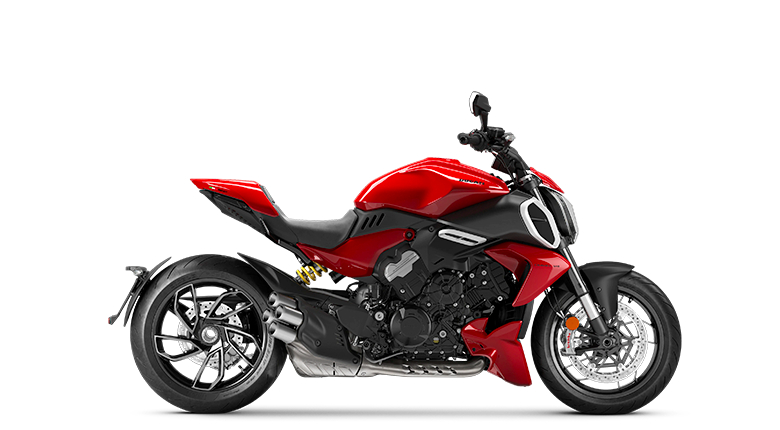
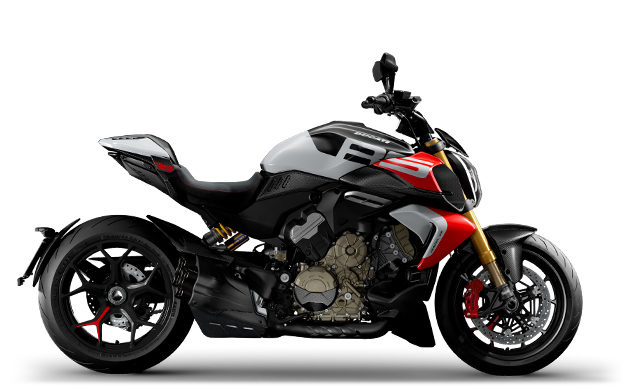
 Diavel
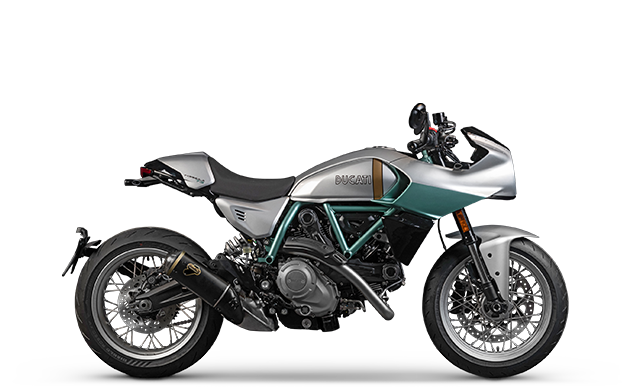
 Heritage
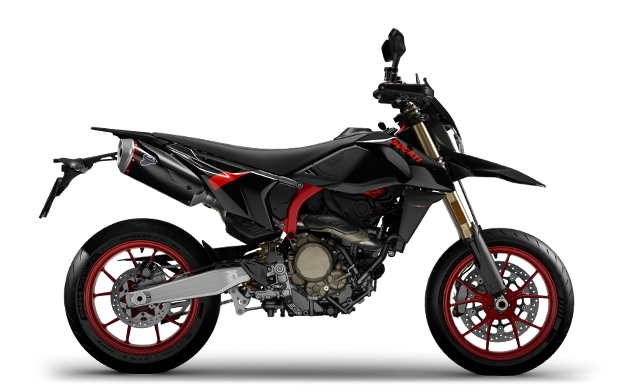
 Motard
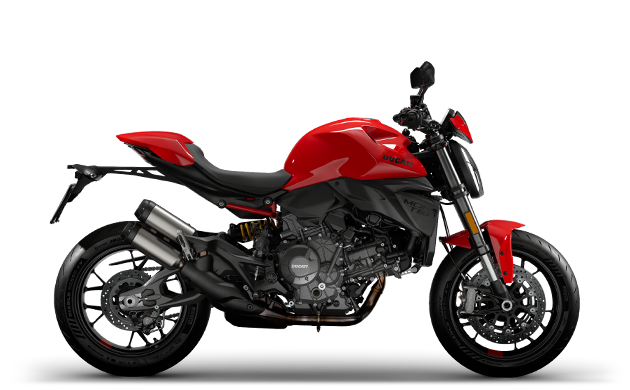
 Monster
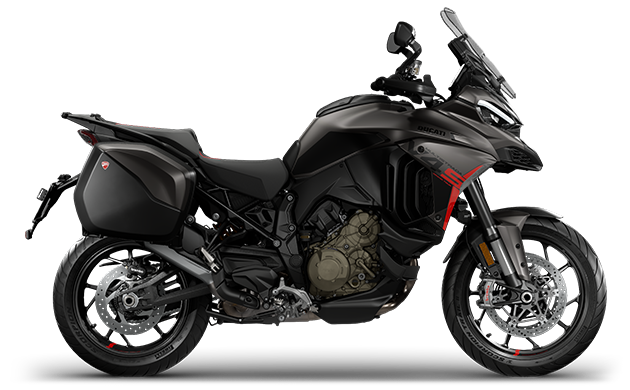
 Multistrada
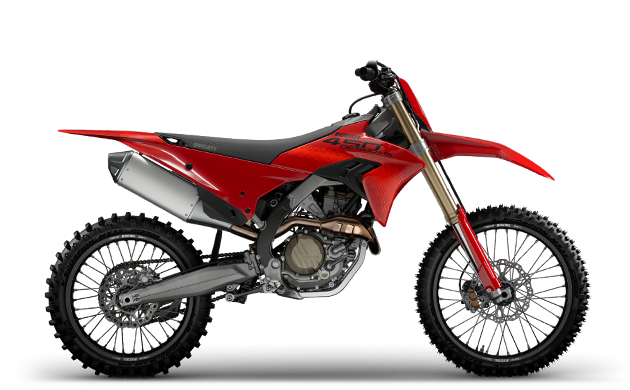
 Off-Road
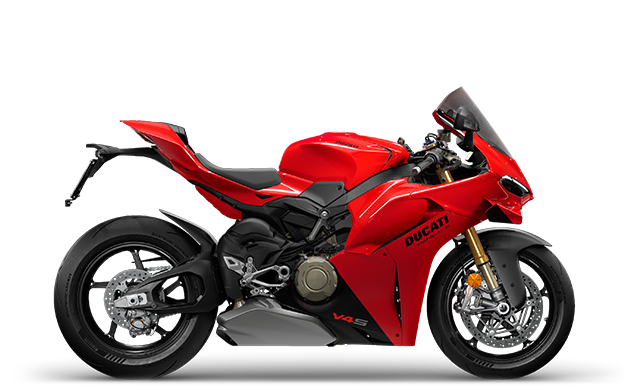
 Panigale
 Streetfighter
 Superleggera
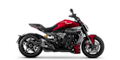 XDiavel
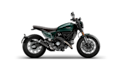
 35 kW Bikes
 Ducati Cycling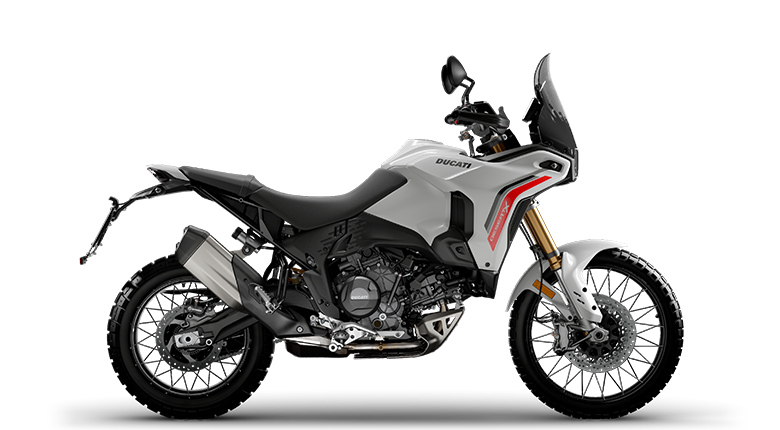
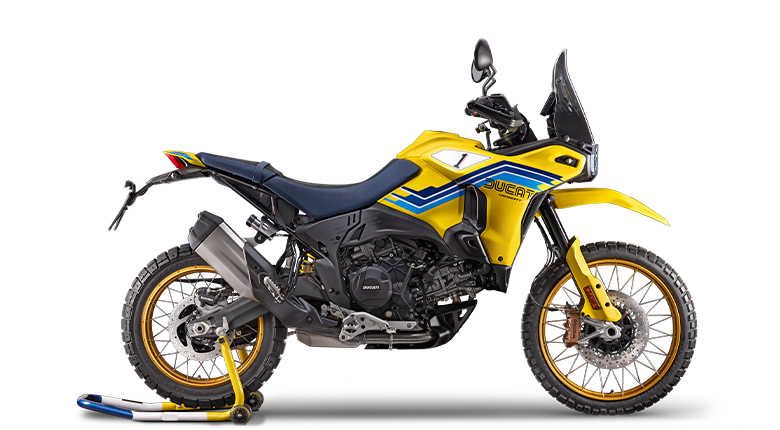
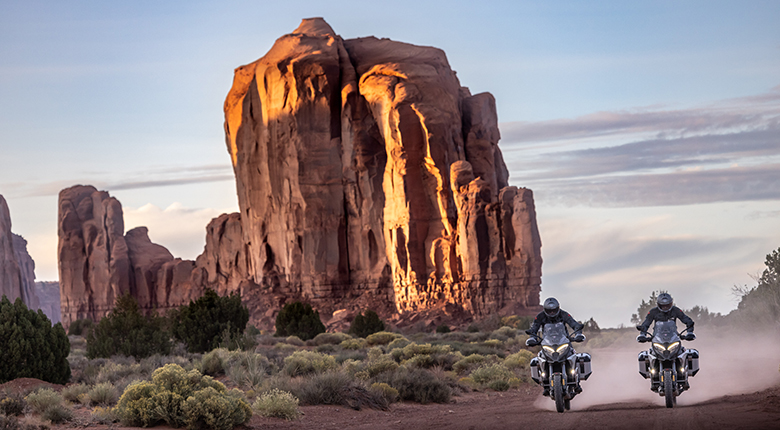
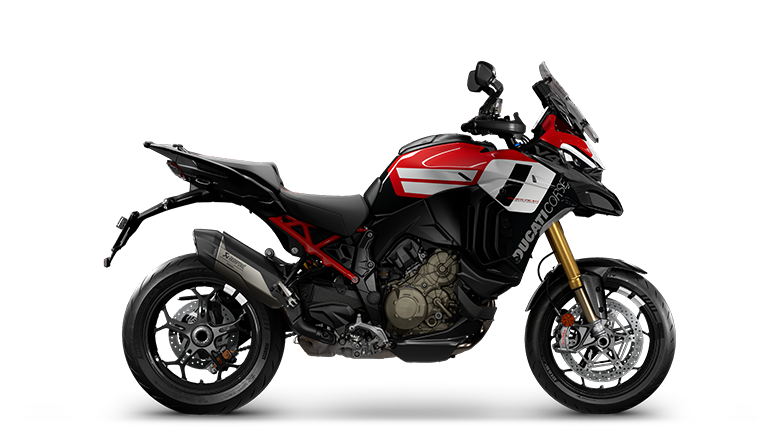
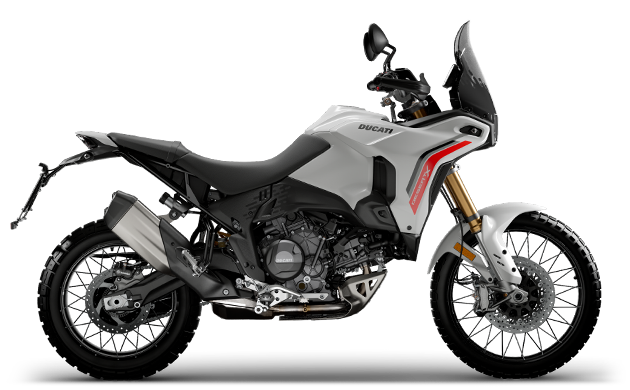
DesertX
- 110,3 hp Power
- 92 Nm Torque
- 209 kg (461 lb) Wet weight no fuel


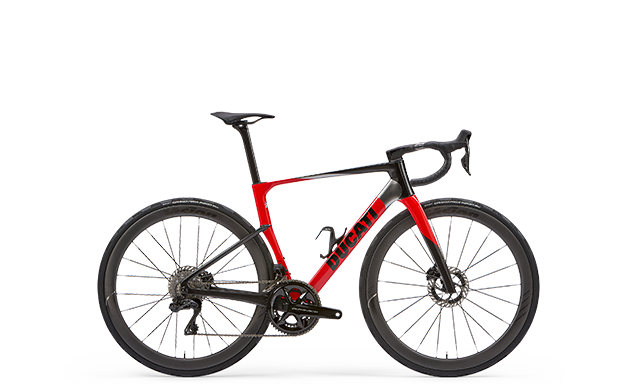

Discover about events and rallies organized by Ducati and the Ducati Official Clubs.
Discover more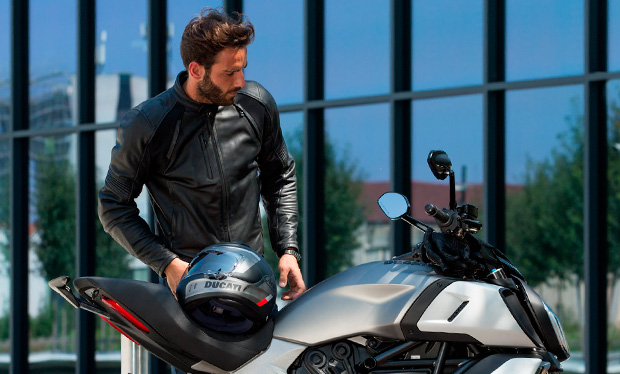
The online shop has a whole new look. Our style is the same as always. Buy now!
Click and discover!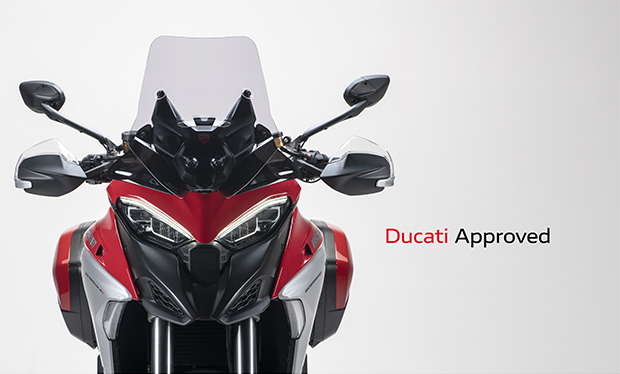
When you choose a Ducati Approved bike, you can be sure that Ducati is always by your side.
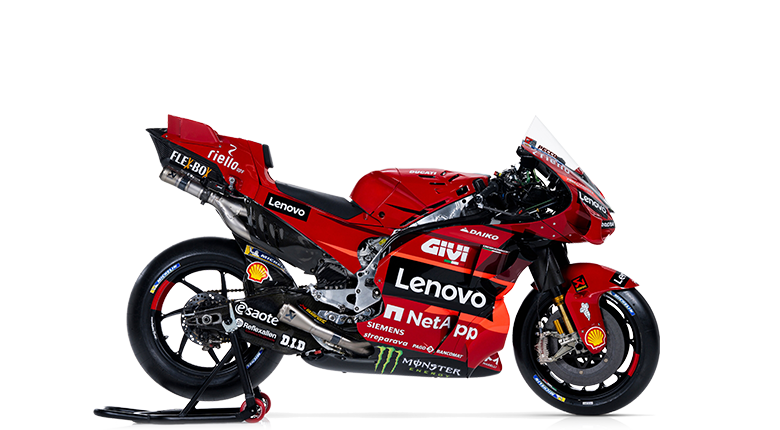
Discover moreSporting legends would have us believe that every victory is defined by the moment it is achieved. On the cover of Ducati Corse’s extraordinary 2022 season are the final act of MotoGP in Valencia, where Pecco Bagnaia completed the most remarkable comeback in MotoGP history, and the Indonesian round of WorldSBK, which sealed Álvaro Bautista’s triumphant campaign. Yet if 2022 will remain forever etched in Ducati’s history and in the hearts of Ducatisti, it is also, and above all, thanks to what happened in the years before. A journey that, before the clean sweep of this season, had already delivered two consecutive MotoGP Constructors’ Titles, a MotoGP Teams’ Title and a WorldSBK Constructors’ Title. A gradual yet relentless progression, driven by the constant pursuit of technical and technological innovation by the entire Ducati Corse team, led by General Manager Gigi Dall’Igna.
Is it fair to say that these successes are the result of many different factors and many different people?
It is fair to say that in 2022 we finally realised what we had been building for many years. Since 2015, I would say, because that was when we laid the first stone with the Desmosedici GP15. It was an innovative motorcycle, evolved not only in terms of the engine and completely different from the Ducatis that had come before it. The first victories arrived in 2016, and in 2017, with Dovizioso, we fought for the World Championship right up to the final race. We improved season after season, innovation after innovation, doing something no one had done before: developing the sporting side together with the technical side. Today, every rider racing on a Ducati began their MotoGP career on a Ducati. They grew with us, and we grew with them.
How do you become a benchmark for other manufacturers? By getting there first, or by seeing things that others do not?
I would say that being pioneers is part of our DNA. We started breaking conventions back in 2014, when we became the only factory team to embrace the Open project, using the standard software instead of a proprietary one. In recent years, we have also been the team that introduced some of the most significant innovations, from the ride-height device to a new approach to aerodynamic wings, the so-called “spoon” and many others.
Many see these innovations as a hallmark of Made in Italy: creativity.
Ducati certainly has a spark that manufacturers from other countries, because of their culture, may not possess. But regulations are also there to be interpreted. With creativity, you can find solutions that bring you right to the edge of what the rules allow, because the closer you get to that limit, the greater the performance gains. Over the years, we have been very good at never crossing that line. And in fact, every technical inspection we have undergone has always been passed without any issues.
Is the fact that there are so many Ducatis on the grid today also a result of this continuous innovation?
Satellite teams are free to source their motorcycles from whichever manufacturer they choose. If they choose Ducati, it is because they know that, in addition to receiving a competitive bike, they will become an active part of a long-term development programme. This too is the result of a carefully planned strategy. For us, satellite teams are extremely important not only from an economic perspective, but also from a technical one, because they provide us with more data and information to support motorcycle development. And from a sporting perspective, they allow us to invest in young riders and truly understand their potential.
Here too Ducati seemed to go against the current, choosing to “develop its own” riders.
We preferred not to rely on riders who already had an established history behind them, but instead to select young talents and support them throughout their development. It has been a successful decision in every respect. First of all, because they are giving us tremendous satisfaction. And secondly, because it has strengthened the Ducati brand. We have earned the trust of future riders, who know that Ducati can offer the ideal environment in which to improve and grow. Not every manufacturer is able to provide those guarantees.
And what about the team? Ducati Corse appears to be an exceptionally close-knit group.
The team is the element that deserves the greatest care, because results are always the product of collective effort. Over the years, I have learned that victories only come when people are happy. Winning a world championship is incredibly difficult, and without mutual trust it would simply not be possible. You need to understand the strengths and weaknesses of the people around you, so that you can maximise the former and minimise the latter.
Before the titles of recent seasons arrived, there were difficult moments as well. Which were the most critical?
There are always difficult moments, but the important thing is never to lose confidence in yourself. After all, in life you lose more often than you win. For us, competing against riders like Márquez or Rea was an opportunity for growth. They pushed us to do more and do better. Certainly, the end of our relationship with Dovizioso was a very particular moment. It was a decision made by mutual agreement, but it was still painful, especially from an emotional point of view. We are human beings, after all, and we should never forget that.
What were the turning points? The moments when you felt things were finally moving in the right direction?
In MotoGP, the turning point came at Silverstone. Before that race, Pecco had always won because he was the fastest rider on track. At Silverstone, he wasn’t the fastest, but during the race he showed the determination, composure and race-management skills that allow you to win in any circumstance.
In Superbike, on the other hand, I immediately sensed that it could be the right year. I know Álvaro very well, and his approach to racing was completely different from what it had been in 2019. He was much more attentive in close battles and overtaking situations, more meticulous in managing wheel-to-wheel combat. For the first time in his career, he wanted to win, not dominate. And that is a subtle but decisive difference.
People say that winning is difficult, but repeating success is even harder. How do you keep motivation high after a season like this?
First of all, by enjoying the success, because victories deserve to be celebrated. Even before Christmas, I told the team to watch the races again so they could fully appreciate what we had achieved. Now that we know how good it feels to win, we want to keep doing it. It won’t be easy because the level of competition is incredibly high and there are many strong riders.
Any special wish for the new season?
I hope everyone can express their full potential. Today there is a unique atmosphere in the paddock, and the credit goes to the riders. They are incredibly talented and extraordinarily sporting. As a man of sport, even before being the General Manager of Ducati Corse, I am happy and proud to work with people like them.